

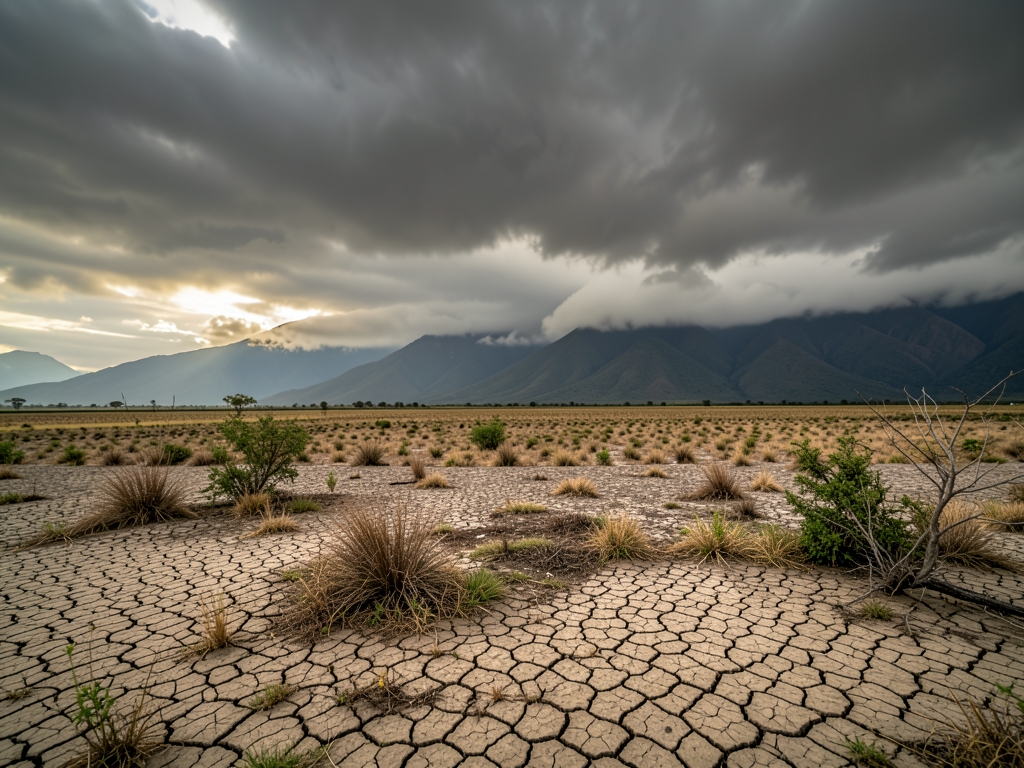
Climate anomalies continue to test the adaptive capacity of nations across the globe as meteorological shifts accelerate. The formal declaration of a state of emergency by Bolivia in response to intensifying El Niño weather patterns underscores the immediate gravity of regional climate pressures. Across South America and other vulnerable territories, communities face an escalating series of climatic shocks ranging from prolonged droughts to severe flooding. Understanding the structural mechanics of these phenomena requires examining both historical meteorological data and the contemporary realities of planetary warming.
The Mechanics of El Niño and Regional Vulnerability
El Niño represents the warm phase of the El Niño-Southern Oscillation, a naturally occurring climate cycle characterized by warmer-than-average sea surface temperatures in the central and eastern tropical Pacific Ocean. While this cycle is a recurring oceanic phenomenon, anthropogenic climate change has significantly amplified its intensity and predictability. When surface waters warm significantly, global atmospheric circulation patterns shift dramatically, altering jet streams and monsoonal tracks across multiple continents.
In regions like the high-altitude Andean zones and adjacent tropical lowlands of Bolivia, these atmospheric disruptions translate into stark environmental extremes. While coastal and northern sectors may experience catastrophic deluges and river overflows, interior highlands often confront severe water scarcity that threatens agricultural yields and municipal water supplies. Governments are forced into reactive postures, mobilizing civil protection agencies and securing international aid to mitigate humanitarian crises before they compound into systemic societal failures.
Info! Meteorological agencies monitor sea surface temperature anomalies in the tropical Pacific using a vast array of moored and drifting buoys known as the Tropical Atmosphere Ocean array.
Socioeconomic Cascades and Agricultural Pressures
The secondary and tertiary effects of an El Niño-induced state of emergency extend far beyond immediate meteorological observations. Agriculture, which remains the economic backbone for millions of rural households in developing regions, absorbs the most immediate shocks. Crop failures driven by erratic precipitation schedules trigger local food insecurity and accelerate inflationary pressures on basic staples. Smallholder farmers, who operate with narrow financial margins and limited irrigation infrastructure, find themselves disproportionately exposed to these systemic shocks.
Furthermore, livestock management becomes increasingly precarious during prolonged dry spells or unseasonal downpours that destroy pasturelands. Waterborne diseases frequently surge in the aftermath of extreme flooding events, overtaxing local healthcare infrastructure and compounding the difficulties faced by vulnerable populations. Urban centers also feel the strain as rural-to-urban migration spikes due to agricultural collapse, placing unprecedented demands on municipal water networks and electrical grids.
International Scientific Response and Preparedness
The convergence of climate scientists and policymakers at regional summits highlights the urgent need for proactive adaptation frameworks rather than purely reactive emergency responses. International organizations emphasize that early warning systems must be integrated with local community knowledge to maximize their effectiveness. By leveraging advanced satellite telemetry and predictive modeling, meteorological bureaus can provide weeks or months of advance notice, allowing agricultural cooperatives to adjust planting schedules or deploy drought-resistant crop varieties.
Effective climate resilience requires bridging the gap between high-level atmospheric research and grassroots community mobilization, ensuring that early warnings translate into tangible local preparedness.
Investment in resilient infrastructure remains a paramount priority. Modernizing water storage facilities, reinforcing flood defenses, and restoring degraded watershed ecosystems are critical steps in buffering communities against future climatic volatility. However, financing these long-term adaptations remains a formidable hurdle for developing nations, necessitating expanded international climate finance mechanisms and debt-for-nature swaps.
Long-Term Ecological Implications
Beyond immediate human impacts, intense El Niño episodes trigger profound ecological disruptions across terrestrial and marine ecosystems. Coral reefs suffer widespread bleaching events as ocean temperatures spike, while terrestrial wildlife populations face habitat fragmentation driven by wildfires and shifting vegetation zones. Protecting biodiversity corridors and maintaining ecological connectivity is vital for allowing species to migrate in response to changing climatic baselines.
As global leaders prepare for upcoming international climate summits, the lived reality of communities under emergency declarations serves as a sobering reminder of the costs of inaction. Mitigating the worst trajectories of climate change demands an unprecedented alignment of global industrial decarbonization and targeted regional resilience building.
What triggers an El Niño weather pattern?
El Niño is triggered by the warming of sea surface temperatures in the central and eastern tropical Pacific Ocean, which alters global atmospheric circulation and jet stream paths.
Why did Bolivia declare a state of emergency?
Bolivia declared a state of emergency due to severe weather threats and extreme climate anomalies driven by El Niño, which pose risks to agriculture, water supplies, and public safety.
How does El Niño impact global agriculture?
El Niño causes prolonged droughts in some regions and excessive rainfall in others, leading to crop failures, reduced livestock productivity, and increased food insecurity.
What measures help communities adapt to extreme weather?
Effective adaptation measures include advanced early warning systems, resilient infrastructure such as modern water storage, and the cultivation of climate-resilient crop varieties.
Conclusion
The escalating frequency and severity of climate anomalies signal an urgent need to transition from crisis management to sustained systemic adaptation. Protecting vulnerable populations and ecological networks requires coordinated global action, robust scientific monitoring, and targeted local investment. As nations navigate these complex environmental challenges, the collective response will define the trajectory of global climate resilience for decades to come.
