

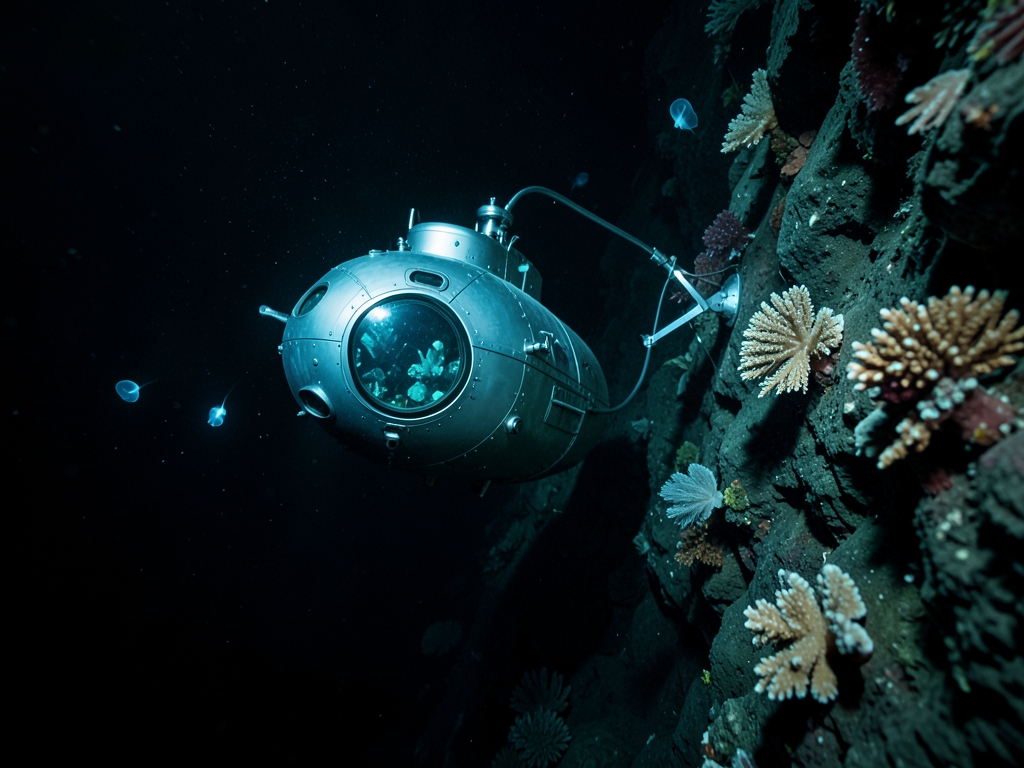
Marine conservation science has entered a critical new phase as advanced genetic tools begin to uncover hidden signals of vulnerability within remote aquatic environments. Recent scientific investigations into deep-water habitats are shifting how researchers assess biodiversity health long before visible population collapses occur. By analyzing genetic diversity and environmental DNA signatures from aquatic organisms, marine biologists can now detect early warning signs of ecosystem stress in regions previously thought to be sheltered from direct human disruption.
The deep ocean represents one of the least explored frontiers on Earth. Encompassing vast underwater mountain ranges, abyssal plains, and intricate canyon systems, these habitats support complex biological communities that have evolved over millennia under stable conditions of extreme pressure, complete darkness, and near-freezing temperatures. However, modern scientific assessments indicate that even these remote domains are increasingly exposed to compound pressures, ranging from shifting oceanic currents and warming water temperatures to localized industrial activities.
Decoding Environmental DNA and Population Demographics
Traditional marine monitoring has relied heavily on visual surveys, trawl sampling, and acoustic tracking. While these methods remain foundational, they struggle to capture the full spectrum of life residing thousands of meters beneath the surface. Many deep-dwelling species are rare, highly localized, or physically delicate, making them exceptionally difficult to study using conventional observation techniques.
Genetic monitoring bypasses many of these limitations by utilizing environmental DNA, or eDNA, alongside targeted tissue sequencing. Every organism sheds cellular material into its surrounding water through mucus, scales, gametes, and decaying tissue. By collecting water samples at various depths and sequencing the recovered genetic fragments, researchers can compile a comprehensive inventory of species presence and relative abundance without disturbing the fragile habitats.
Info! Environmental DNA sampling allows researchers to detect the presence of elusive deep-water species by analyzing water samples for microscopic genetic traces left behind in the water column.
Beyond basic species detection, population geneticists analyze genomic diversity to evaluate the long-term viability of specific aquatic populations. When a population experiences chronic stress, habitat fragmentation, or demographic bottlenecks, its overall genetic diversity tends to decline. This loss of genetic variance reduces the capacity of a species to adapt to environmental changes, such as shifting salinity, lower oxygen levels, or rising temperatures.
Uncovering Hidden Vulnerability Signals in Aquatic Habitats
Recent research focusing on deep-sea environments, particularly within enclosed or semi-enclosed regional seas and gulfs, has revealed subtle yet distinct genetic signatures that point toward elevated extinction risks. These signals often manifest as reduced allelic richness and high genetic isolation among regional subpopulations. When populations become genetically isolated, interbreeding increases, and beneficial adaptations struggle to spread across wider geographic ranges.
Scientists analyzing genetic samples from diverse taxa—ranging from bottom-dwelling invertebrates to midwater pelagic species—have noted that certain groups exhibit alarmingly narrow genetic margins. Even when population counts appear superficially stable on the surface, genomic data often tells a different story. These hidden vulnerability signals serve as an early alarm system, alerting conservation managers to impending ecological crises long before mass mortality events occur.
- Loss of Genetic Diversity: Diminished variation restricts the evolutionary adaptability of aquatic species against rapid environmental shifts.
- Subpopulation Isolation: Physical and thermal barriers prevent interbreeding, trapping vulnerable groups in isolated pockets.
- Elevated Mutation Load: Inbreeding within small, fragmented groups accumulates harmful genetic traits over generations.
- Resilience Deficits: Reduced physiological buffering capacities make populations more susceptible to sudden thermal or chemical stress events.
The Complex Interplay of Climate Pressures and Deep-Water Stressors
The health of deep-sea ecosystems cannot be viewed in isolation from surface conditions. Ocean circulation systems transport heat, oxygen, and nutrients from the atmosphere down into the abyssal layers. Consequently, global climate shifts, altered current patterns, and marine heatwaves exert profound downstream effects on deep-water habitats.
Recent studies have documented alarming trends in dissolved oxygen levels and pH balances across various oceanic basins. As intermediate and deep waters absorb excess atmospheric heat and carbon, physical conditions change in ways that challenge specialized marine organisms. Deep-sea corals, sponge reefs, and slow-growing fish species are particularly sensitive to these alterations. Because their metabolic rates and reproductive cycles are exceptionally slow, they cannot adapt quickly enough to keep pace with accelerated environmental changes.
Furthermore, human activities such as deep-water trawling, offshore energy exploration, and potential seabed mining introduce physical disturbances that can permanently damage fragile benthic structures. When physical destruction combines with systemic climate stress, the cumulative impact creates a compounding crisis for regional biodiversity.
Integrating Genetic Insights into Global Conservation Frameworks
Translating complex genetic findings into actionable conservation policy remains one of the primary challenges facing modern environmental management. Traditional marine protected areas are often established based on static geographical features or charismatic megafauna sightings, frequently overlooking the dynamic, fluid nature of marine genetic connectivity.
Conservation geneticists argue that future marine reserves and protected corridors must be designed to safeguard genetic diversity corridors. By identifying key migration routes, larval dispersal pathways, and resilient refugia through genomic mapping, policymakers can establish more effective boundaries that protect not just individuals, but the evolutionary potential of entire ecosystems.
| Monitoring Approach | Primary Focus | Key Advantage | Current Limitation |
|---|---|---|---|
| Traditional Trawling | Physical specimen collection | Provides direct morphological data | High habitat disturbance and low capture rate for rare species |
| Acoustic Telemetry | Tracking large migratory species | Real-time movement data over time | Limited to tagged individuals and large animals |
| Environmental DNA (eDNA) | Broad species inventory | Non-invasive and highly sensitive | Requires extensive reference databases for accurate matching |
| Genomic Diversity Analysis | Population health and resilience | Detects invisible extinction risks early | High analytical complexity and resource-intensive processing |
Future Directions in Deep-Ocean Genomics and Protection
As sequencing technologies become faster, more portable, and more cost-effective, the scope of aquatic genetic monitoring is expanding rapidly. International collaborative networks are working to build comprehensive global genomic databases, mapping the genetic baseline of marine life across diverse oceanic regions. These efforts enable researchers to track temporal changes in biodiversity with unprecedented precision.
Yet, gathering data is only the first step. Effective conservation requires robust international cooperation, strict regulatory frameworks for high-seas activities, and a binding commitment to reducing global greenhouse gas emissions. Without addressing the root drivers of oceanic warming and chemical imbalance, even the most meticulously designed marine protected areas will struggle to halt ongoing ecological degradation.
Ultimately, the discovery of extinction-risk signals in deep-water genetic data serves as a vital reminder of the interconnectedness of planetary life. What happens in the darkened depths of regional gulfs and open oceans reflects the health of the entire biosphere. Listening to these microscopic warning signs offers humanity a crucial opportunity to adjust course before irreversible biodiversity loss reshapes the aquatic world.
What is environmental DNA and how is it used in deep-sea conservation?
Environmental DNA, or eDNA, consists of genetic material shed by organisms into their surrounding water through skin cells, waste, and mucus. Researchers collect water samples from various ocean depths and analyze the genetic traces to identify which species inhabit an area without needing to capture or visually observe them.
Why are deep-sea species particularly vulnerable to climate changes?
Deep-sea organisms have evolved over thousands of years in remarkably stable environments characterized by constant cold temperatures and high pressure. Their slow metabolic rates and reproductive cycles make them unable to adapt quickly to rapid changes in water temperature, oxygen levels, and ocean chemistry.
What does a loss of genetic diversity mean for marine populations?
A reduction in genetic diversity restricts a population's ability to adapt to environmental stressors such as warming waters or pollution. It often indicates inbreeding, smaller population sizes, and an increased susceptibility to disease and sudden environmental shifts.
How can genomic studies improve future marine protected areas?
Genomic mapping helps identify genetic connectivity, larval dispersal routes, and resilient refugia rather than relying solely on static geography. This allows conservationists to design protected areas that preserve the evolutionary potential and long-term adaptability of marine species.
The ongoing integration of genetic research into marine management highlights a transformative shift in environmental science. By uncovering invisible vulnerabilities before visible collapses occur, scientists and policymakers gain a powerful tool for safeguarding the future of global aquatic biodiversity.
