

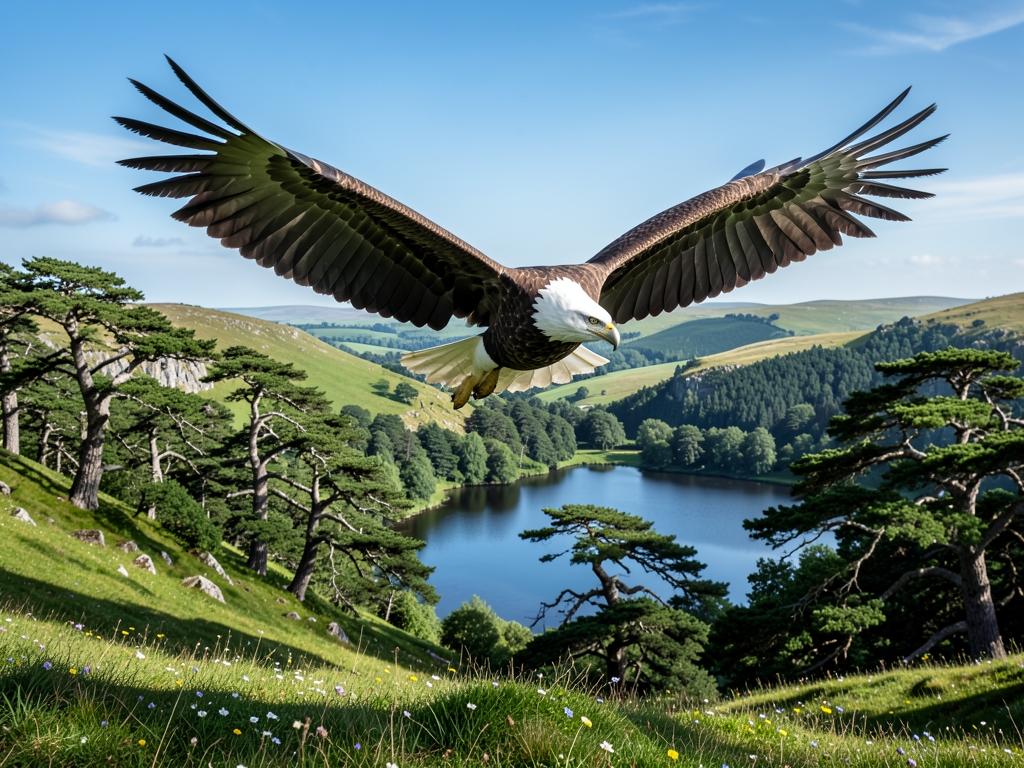
The reintroduction of apex predators and large raptors into native habitats represents one of the most ambitious and transformative strategies in modern conservation biology. Among these efforts, the return of the white-tailed eagle to Britain stands out as a monumental milestone in ecological restoration. Often referred to as flying barn doors due to their immense wingspans, these magnificent birds vanished from the British skies due to centuries of persecution, habitat destruction, and poisoning. Today, their gradual comeback offers a living laboratory for scientists, conservationists, and policymakers studying how apex species ripple through ecosystems to restore balance, enhance biodiversity, and revive degraded landscapes across the British Isles.
Understanding the ecological implications of bringing back such a dominant avian scavenger and hunter requires looking far beyond the individual birds. It forces a re-evaluation of how modern landscapes function when missing their top-tier components. As environmental initiatives continue to gain momentum across Europe and North America, examining the empirical outcomes of the white-tailed eagle's return provides vital lessons for rewilding projects worldwide. This comprehensive exploration delves into the historical context, the ecological cascades triggered by their presence, the socioeconomic challenges of coexistence, and the long-term outlook for Britain's restored raptor populations.
Historical Context and the Road to Extinction
To appreciate the significance of the modern reintroduction programs, one must first understand the depth of the historical loss. White-tailed eagles were once common fixtures along the coastal cliffs, major river systems, and ancient woodlands of Britain. Historical records indicate thriving populations during the medieval period and earlier. However, a combination of changing land use, intensive deforestation, and deliberate persecution by farmers and landowners seeking to protect livestock led to a catastrophic decline.
During the nineteenth and early twentieth centuries, the species faced relentless eradication efforts. Bounties were placed on raptors, nests were destroyed, and poisoned baits were deployed across prime habitats. The final blow to the native British population occurred in the early twentieth century, with the last known breeding pair disappearing from the Scottish Isle of Skye in 1916. For decades, the British landscape remained devoid of its largest bird of prey, leaving an ecological void that altered predator-prey dynamics and removed a crucial component of natural nutrient cycling.
The Phased Reintroduction Strategy
The journey toward bringing the white-tailed eagle back to British skies began through careful, multi-phased conservation interventions spearheaded by dedicated ornithologists and wildlife agencies. The initial release program commenced in the late 1970s on the island of Rum in Scotland, utilizing young birds sourced from Norway, where healthy populations remained intact. These pioneering releases faced intense scrutiny, logistical hurdles, and scientific skepticism, but they ultimately proved successful in establishing a resilient founding population.
Building upon the successes in western Scotland, subsequent translocation projects expanded to other strategic regions, including the east coast of Scotland and, more recently, England. Conservationists meticulously monitored release sites, tracked juvenile dispersal patterns using satellite telemetry, and engaged local communities to foster a culture of stewardship and protection. Each phase of the reintroduction protocol was refined based on empirical data, ensuring high survival rates and gradual territorial expansion into suitable coastal and inland habitats.
Ecological Cascades: How Eagles Shape Habitats
The return of an apex predator like the white-tailed eagle sets off complex ecological cascades throughout the food web. Unlike smaller raptors that focus strictly on small rodents or insects, white-tailed eagles have a diverse diet that includes fish, waterfowl, rabbits, hares, and various carrion. This dietary breadth allows them to exert stabilizing pressures across multiple trophic levels.
One of the most notable ecological impacts is the natural regulation of avian and mammalian scavenger populations. By consuming carrion, eagles help accelerate nutrient recycling within forest and coastal ecosystems. Furthermore, their presence influences the behavior of prey species. Waterfowl and medium-sized mammals must remain vigilant, which prevents overgrazing in specific localized areas and encourages healthier, more mobile wildlife populations. The presence of apex avian predators also creates competitive interactions with smaller scavengers, redistributing nutrients more evenly across the landscape.
Info! White-tailed eagles are among the largest raptors in the world, boasting a wingspan that can reach up to 2.5 meters (8.2 feet) and a powerful, wedge-shaped tail.
Socioeconomic Impacts and Community Coexistence
While the ecological benefits are well-documented, the reintroduction of large predators inevitably intersects with human socioeconomic interests, particularly in rural and agricultural communities. Concerns regarding livestock predation—specifically targeting newborn lambs—have historically fueled opposition from farming sectors. Addressing these concerns requires transparent communication, robust monitoring protocols, and supportive management frameworks.
Modern conservation initiatives prioritize proactive engagement with local landowners, shepherds, and rural communities. Studies indicate that while occasional instances of predation do occur, the vast majority of white-tailed eagle diet consists of fish and wildfowl rather than livestock. Additionally, the presence of these iconic birds has generated significant economic benefits through eco-tourism. Birdwatchers and nature enthusiasts travel from around the globe to catch a glimpse of the eagles, boosting local hospitality businesses, guided tour operations, and regional economies.
Comparing Restoration Models Across Europe
Britain's approach to white-tailed eagle restoration does not exist in a vacuum. Across continental Europe, similar reintroduction and protection schemes have yielded valuable comparative data. Nations bordering the Baltic Sea and parts of Central Europe have witnessed remarkable natural recoveries, aided by stricter environmental protections, reductions in harmful agricultural chemicals such as DDT, and dedicated habitat preservation zones.
| Region / Project | Primary Release Era | Core Habitat Focus | Estimated Breeding Pairs (Current) |
|---|---|---|---|
| Western Scotland | 1975 – 1985 | Coastal cliffs and sea lochs | 150+ |
| East Scotland | 2007 – 2012 | Inland river valleys and forests | 30+ |
| Southern England (Isle of Wight) | 2019 – Present | Estuaries and mixed woodlands | Establishing phase |
| Continental Baltic Region | Continuous Recovery | Wetlands, archipelagos, lakes | Thousands |
Challenges Ahead: Environmental Contaminants and Climate Pressures
Despite the successes achieved so far, white-tailed eagle populations continue to face modern environmental threats that require vigilant oversight. Chief among these concerns are anthropogenic contaminants, particularly secondary poisoning from lead ammunition found in unrecovered game carcasses, as well as persistent environmental pollutants that bioaccumulate up the aquatic food chain.
Climate change also introduces new variables into long-term conservation planning. Shifting weather patterns, rising sea levels affecting coastal nesting sites, and alterations in seasonal fish migrations can impact breeding success and food availability. Ensuring the long-term viability of Britain's eagles demands integrated conservation strategies that combine rigorous toxicological monitoring, strict habitat protection laws, and adaptive management practices.
Warning! Illegal poisoning and persecution remain persistent threats in certain rural areas, highlighting the ongoing need for rigorous law enforcement and community education.
The Broader Future of British Rewilding
The story of the white-tailed eagle serves as a powerful barometer for the broader rewilding movement in Britain and Western Europe. It demonstrates that ecosystems possess a remarkable capacity for recovery when given legal protection, adequate space, and carefully managed biological assistance. As public interest in environmental restoration grows, the lessons learned from decades of raptor conservation will undoubtedly guide future reintroductions of other missing keystone species.
Ultimately, the soaring silhouette of a white-tailed eagle against a British sky is more than just a symbol of past conservation victories. It represents a living connection to a wilder, more resilient natural heritage, reminding society of the intricate dependencies binding human communities and natural ecosystems together.
Why were white-tailed eagles originally extirpated from Britain?
White-tailed eagles were driven to extinction in Britain primarily due to intensive habitat destruction, deforestation, and centuries of deliberate persecution and hunting by farmers and landowners protecting livestock.
Do white-tailed eagles pose a significant threat to livestock?
While occasional instances of predation on newborn lambs have been documented, studies show that livestock forms only a minor part of their diet, with fish, waterfowl, and carrion making up the vast majority of their food intake.
Where were the first modern reintroductions of the species conducted?
The modern reintroduction program began in the late 1970s on the Isle of Rum in western Scotland, utilizing young birds sourced from healthy populations in Norway.
