

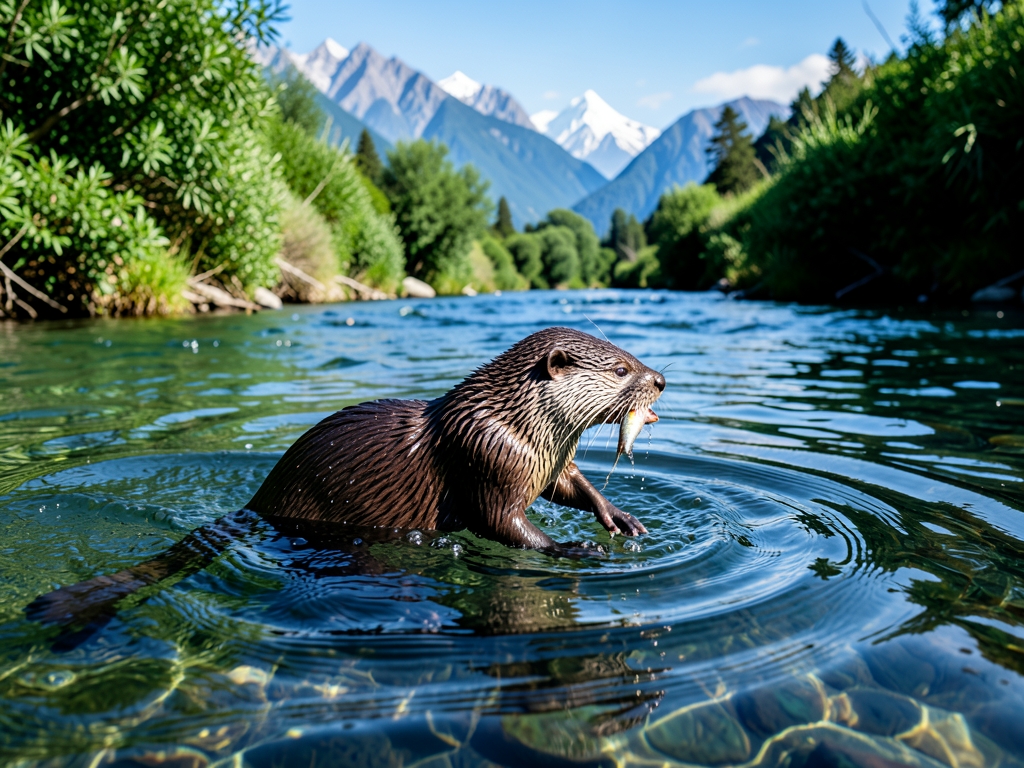
The natural world frequently surprises conservationists with resilient displays of recovery when given the space and ecological conditions to heal. In regions that have faced decades of intense anthropogenic pressure, habitat fragmentation, and industrial disturbance, the return of apex predators or key indicator species serves as a powerful validation of environmental protection efforts. Recent field observations and scientific assessments have documented the remarkable re-emergence of Eurasian otters across aquatic habitats where they were long thought to be locally extinct. This development offers profound insights into freshwater ecosystem health, riverine food web dynamics, and the tangible benefits of community-led conservation frameworks operating in vulnerable landscapes.
Understanding the ecological significance of this wildlife return requires a close examination of the species involved, the historical pressures that drove them away, and the subtle environmental shifts that enabled their comeback. Freshwater ecosystems are among the most heavily impacted biomes on Earth, suffering from pollution, dam construction, agricultural runoff, and climate-induced hydrological changes. When a sensitive indicator species like the Eurasian otter re-establishes a breeding population, it signals that the underlying biological integrity of the waterway is beginning to recover. This comprehensive analysis explores the factors driving this wildlife milestone, the broader implications for global freshwater conservation, and the ongoing challenges of protecting delicate habitats in a changing climate.
The Ecological Profile of the Eurasian Otter
The Eurasian otter, scientifically known as Lutra lutra, is a semi-aquatic carnivorous mammal belonging to the family Mustelidae, which also includes badgers, weasels, and ferrets. Highly adapted to both aquatic and terrestrial environments, these animals feature streamlined bodies, webbed feet, dense waterproof fur, and specialized sensory whiskers that help them locate prey in murky water. As opportunistic predators, their diet primarily consists of fish, but they also consume amphibians, crustaceans, small mammals, and water birds depending on seasonal availability.
Because they sit near the top of the freshwater food chain, Eurasian otters act as classic umbrella and indicator species. A stable otter population requires clean water, abundant fish stocks, undisturbed riverbanks with dense vegetation for shelter, and connected wetland corridors. When pollution degrades water quality or human development destroys riparian zones, otters are typically among the first mammals to disappear. Conversely, their return indicates that water purity has improved, fish populations have rebounded, and human disturbance along critical riverbanks has decreased sufficiently to allow these elusive creatures to hunt, breed, and raise their young in safety.
Historical Decline and Local Extirpation Pressures
For decades, naturalists and wildlife departments noted a sharp decline in otter populations across many parts of their historical Eurasian range. In mountainous and valley regions marked by high human population density, rapid agricultural expansion, and intensive river management, otter habitats were systematically fractured. Key pressures that contributed to their local absence included:
- Habitat Fragmentation: Construction of concrete embankments, dams, and barrages disrupted natural river flow and blocked migration corridors.
- Water Pollution: Industrial effluent, heavy metal runoff, and untreated agricultural chemicals severely degraded water quality and depleted fish stocks.
- Human-Wildlife Conflict: Accidental drowning in fishing nets and direct persecution by local fish farmers who viewed otters as competitors for fish resources.
- Riparian Destruction: Removal of native riverside trees and shrubs eliminated vital resting sites, holts, and breeding dens.
As these cumulative pressures intensified, sightings became exceedingly rare, leading researchers to conclude that the species had been extirpated from several important sub-watersheds. The recent documentation of their return in areas like the Kashmir Valley represents a dramatic reversal of this historical trend, providing renewed optimism for regional biodiversity strategies.
Freshwater Ecosystem Dynamics and Riparian Restoration
The return of otters to valley river systems is not merely an isolated zoological curiosity; it is a catalyst for broader ecological restoration. Healthy freshwater systems rely on complex trophic interactions where top predators help maintain balanced prey populations. By preying primarily on sick, weak, or overly abundant fish species, otters help prevent disease outbreaks and maintain the genetic vigor of aquatic communities.
Info! The presence of semi-aquatic mammals like otters encourages the preservation of natural riverbanks, which in turn stabilizes soil, reduces erosion during seasonal floods, and filters agricultural runoff before it enters main water channels.
Furthermore, riparian zones act as critical ecotones—transition areas between land and freshwater—that support thousands of insect, bird, and plant species. Conservation initiatives that protect otter habitats inherently safeguard entire aquatic webs. When local authorities and communities invest in river cleanup programs, reduce chemical pesticide usage, and restrict destructive sand-mining activities in riverbeds, the resulting ecological improvements benefit both human populations and native wildlife.
Global Context: Conservation Successes and Ongoing Challenges
The resurgence observed in regional river systems parallels broader global trends where targeted conservation investments are yielding positive results for threatened species. From the historic return of beavers to Scottish watersheds near Loch Ness to community-backed habitat protection initiatives across East Africa, modern conservation increasingly relies on landscape-scale approaches that integrate human communities with wildlife needs.
However, significant challenges remain. Climate change continues to alter seasonal precipitation patterns, glacier melt rates, and river discharge volumes, creating unpredictable conditions for aquatic species. Extreme weather events, prolonged droughts, and unseasonal floods can devastate riparian habitats and wash away food sources. Protecting these newly re-established populations requires proactive management strategies, continuous scientific monitoring, and strict enforcement of environmental regulations against illegal poaching and habitat encroachment.
The Role of Scientific Monitoring and Local Communities
Documenting the return of elusive nocturnal and crepuscular mammals like the Eurasian otter requires modern ecological tools combined with traditional local knowledge. Researchers frequently employ camera traps, molecular analysis of scat samples, and rigorous spraint surveys to map distribution ranges and estimate population density without disturbing the animals.
Equally important is the active engagement of local communities living alongside these river systems. Education campaigns highlighting the ecological value of otters help mitigate historical prejudices and foster a sense of stewardship among farmers, fishermen, and local residents. When communities recognize that clean rivers and thriving wildlife directly support sustainable ecotourism, regional water security, and long-term environmental health, conservation efforts gain enduring local support.
What is a Eurasian otter and why is it considered an indicator species?
The Eurasian otter is a semi-aquatic carnivorous mammal belonging to the mustelid family. It is considered an ecological indicator species because its survival depends strictly on clean water, abundant fish populations, and undisturbed riparian vegetation. Its presence confirms a healthy and balanced freshwater ecosystem.
What caused the previous absence of otters in many regional watersheds?
Otters disappeared from many historical habitats due to severe water pollution, habitat fragmentation caused by dams and embankments, destruction of riverside vegetation, accidental drowning in fishing nets, and direct persecution by humans.
How do otters contribute to the health of freshwater ecosystems?
As top predators in aquatic food webs, otters help control fish populations, remove diseased or weak prey, and encourage the preservation of natural riverbanks. Their habitat requirements naturally protect entire riparian zones and diverse aquatic biodiversity.
What methods do scientists use to track and study wild otter populations?
Researchers study otters using non-invasive techniques such as infrared camera traps, DNA analysis of scat and spraint samples, and systematic field surveys along riverbanks to identify tracks, dens, and territorial markings.
The remarkable re-emergence of Eurasian otters in regions like the Kashmir Valley underscores the resilience of nature when protective measures are enforced and degraded habitats are given time to recover. While environmental pressures from climate change and human expansion persist, these wildlife recoveries offer a vital blueprint for global conservation. By prioritizing freshwater purity, protecting riverine corridors, and fostering community-based stewardship, society can help secure a sustainable future for both vulnerable species and the essential ecosystems they inhabit.
