

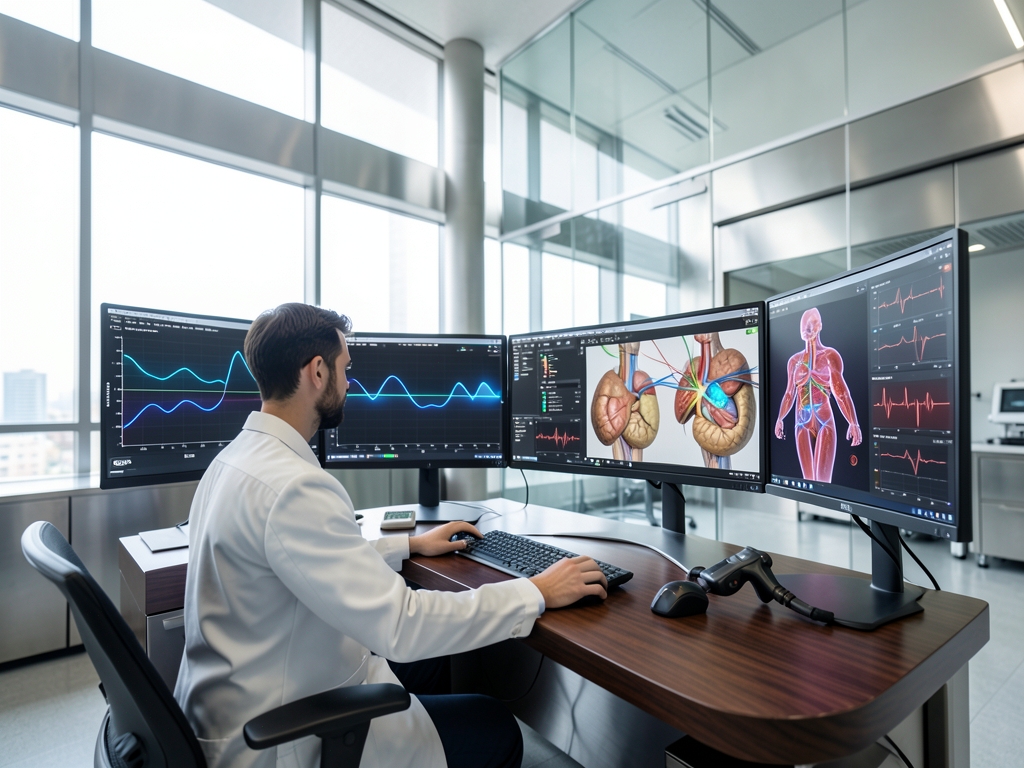
Modern medical research continues to bridge the gap between simple daily actions and complex internal physiology in ways that were previously thought impossible. A landmark publication in Nature Medicine has revealed profound insights into how human movement patterns can accurately predict hidden biosignals spanning eighteen distinct body systems. From cardiovascular performance and hepatic function to metabolic indicators and mental health markers, researchers have demonstrated that the way we move holds a comprehensive digital fingerprint of our overall physiological state.
This breakthrough study shifts the paradigm of preventative healthcare and diagnostic monitoring. Rather than relying solely on static clinical evaluations or invasive laboratory blood draws, the latest findings suggest that continuous motion analysis can serve as a non-invasive window into internal organ health. By decoding the subtle dynamics of everyday physical activity, modern medical science is opening new frontiers for early disease detection, personalized wellness tracking, and proactive clinical interventions.
The Science Behind Movement-Based Biosignals
For decades, physical activity tracking was primarily limited to step counts, basic calorie expenditure estimations, and general activity duration. However, the latest research published in Nature Medicine utilizes advanced machine learning algorithms and high-resolution wearable sensor data to analyze the intricate micro-movements of the human body. These algorithms evaluate gait stability, acceleration profiles, postural transitions, and frequency signatures that correspond directly to systemic physiological functioning.
Every movement we make is governed by a complex orchestration of the central nervous system, musculoskeletal framework, cardiovascular output, and metabolic energy regulation. When an internal organ system experiences subtle stress, inflammation, or early-stage dysfunction, it subtly alters neuromuscular control and movement dynamics. By capturing these microscopic variations, researchers can map movement data directly to biomarkers associated with heart health, liver efficiency, metabolic balance, and psychological well-being across eighteen distinct physiological domains.
Info! The Nature Medicine publication underscores a fundamental shift in digital health, moving biometric tracking from simple fitness metrics to sophisticated clinical-grade prognostic indicators.
Mapping Eighteen Body Systems Through Motion Analysis
The comprehensive scope of the recent study distinguishes it from previous biomechanical research. By examining data from thousands of participants, the research team correlated continuous movement metrics with clinical outcomes across eighteen major body systems. The findings reveal fascinating connections between physical kinetics and internal pathology.
- Cardiovascular Health: Subtle shifts in ambulatory rhythms and heart-rate recovery kinetics during standard daily movements provide early warnings of vascular strain.
- Metabolic Regulation: Kinematic patterns reflect insulin sensitivity and energy utilization efficiency throughout the day.
- Liver and Renal Function: Systemic inflammation driven by metabolic and hepatic stress subtly impacts motor coordination and fatigue patterns.
- Mental Health and Neurology: Psychomotor pacing, gait variability, and movement fluidity strongly correlate with depressive symptoms, cognitive load, and neurological resilience.
These correlations do not merely suggest coincidence; they highlight deep physiological feedback loops where central nervous system output and peripheral organ health continuously influence physical expression.
Clinical Implications and Preventative Healthcare
The integration of motion-derived biosignals into mainstream clinical practice could transform how physicians monitor chronic conditions and evaluate patient risk profiles. Traditional medicine has long relied on episodic testing—meaning patients are evaluated only during scheduled clinical visits, leaving vast windows of time unmonitored. Continuous movement analytics provide a continuous stream of objective health data.
For patients managing chronic metabolic diseases, cardiovascular disorders, or neurodegenerative conditions, continuous motion monitoring offers a reliable early-warning system. Clinicians can detect subtle functional declines weeks or months before a patient reports overt symptoms. This capability empowers medical teams to adjust treatment plans, recommend targeted interventions, and prevent acute medical emergencies before they materialize.
The translation of human movement into a multi-system diagnostic map represents one of the most exciting developments in modern preventative medicine, bridging everyday physical activity with deep clinical insights.
Challenges, Privacy, and Technical Validation
Despite the immense promise of movement-based biosignals, researchers and technology developers must address significant hurdles before widespread clinical adoption occurs. Data privacy remains a paramount concern. Because high-resolution motion data can reveal sensitive health conditions, robust encryption, strict regulatory compliance, and transparent user consent frameworks are essential.
Furthermore, technical validation across diverse demographic groups is critical. Movement patterns vary significantly based on age, cultural habits, occupational demands, and pre-existing physical disabilities. Ensuring that machine learning models do not harbor algorithmic bias and maintain high accuracy across global populations requires rigorous, ongoing clinical trials and diverse dataset curation.
| Metric Category | Traditional Clinical Method | Movement-Based Digital Biomarker |
|---|---|---|
| Cardiovascular Assessment | Echocardiogram / ECG (Episodic) | Continuous ambulatory kinetics and vascular response mapping |
| Metabolic Health | Blood glucose testing (Periodic) | Daily kinematic energy expenditure and stability signatures |
| Neurological Status | Cognitive questionnaires / exams | Gait variability and psychomotor pacing analysis |
| Monitoring Frequency | Infrequent clinic visits | Real-time, continuous passive tracking |
The Future of Digital Biomarkers in Medicine
As wearable sensor technology becomes more sophisticated and machine learning models grow increasingly refined, the boundary between consumer fitness devices and clinical diagnostic tools will continue to blur. The recent insights published in Nature Medicine lay the groundwork for a new generation of healthcare applications where everyday movement serves as a continuous, passive health check.
Future developments will likely focus on refining predictive algorithms to isolate specific disease markers with even greater precision. Interdisciplinary collaboration between data scientists, biomedical engineers, and clinical physicians will be vital in translating these academic findings into accessible, regulated medical tools that benefit patients worldwide.
What did the recent Nature Medicine study discover about human movement?
The study revealed that everyday human movement patterns can accurately predict hidden biosignals and physiological status across eighteen different body systems, including cardiovascular, metabolic, hepatic, and mental health.
How can physical movement reflect internal organ health?
Internal organ stress, metabolic imbalances, and systemic inflammation subtly alter neuromuscular control, gait stability, and micro-movements, which can be captured and decoded by advanced motion sensors and algorithms.
Will wearable fitness trackers replace traditional medical diagnostics?
While wearable movement tracking offers valuable continuous insights and early warning indicators, it is designed to complement rather than completely replace traditional clinical diagnostics and physician evaluations.
What are the main challenges facing movement-based health monitoring?
Key challenges include ensuring strict patient data privacy, eliminating algorithmic bias across diverse demographic groups, and achieving rigorous clinical validation for medical-grade applications.
Conclusion
The revelation that human movement acts as a reliable predictor of multi-system physiological health marks a transformative milestone in medical science. By bridging biomechanics with advanced computational analysis, researchers are opening unprecedented pathways for early detection, preventative care, and personalized medicine. As this field matures, the simple act of moving through our daily lives will increasingly serve as a powerful tool for safeguarding our long-term health and well-being.
Sources and Further Reading
- Nature Medicine Publication Reveals How Human Movement - GlobeNewswire — GlobeNewswire (published 2026-11-06 11:00)
- Nature Medicine Publication Reveals How Human Movement Predicts Hidden Biosignals Spanning 18 Body Systems, from Heart and Liver Function to Metabolic and Mental Health - Carroll County Mirror-Democrat — Carroll County Mirror-Democrat (published 2026-11-06 11:00)
