

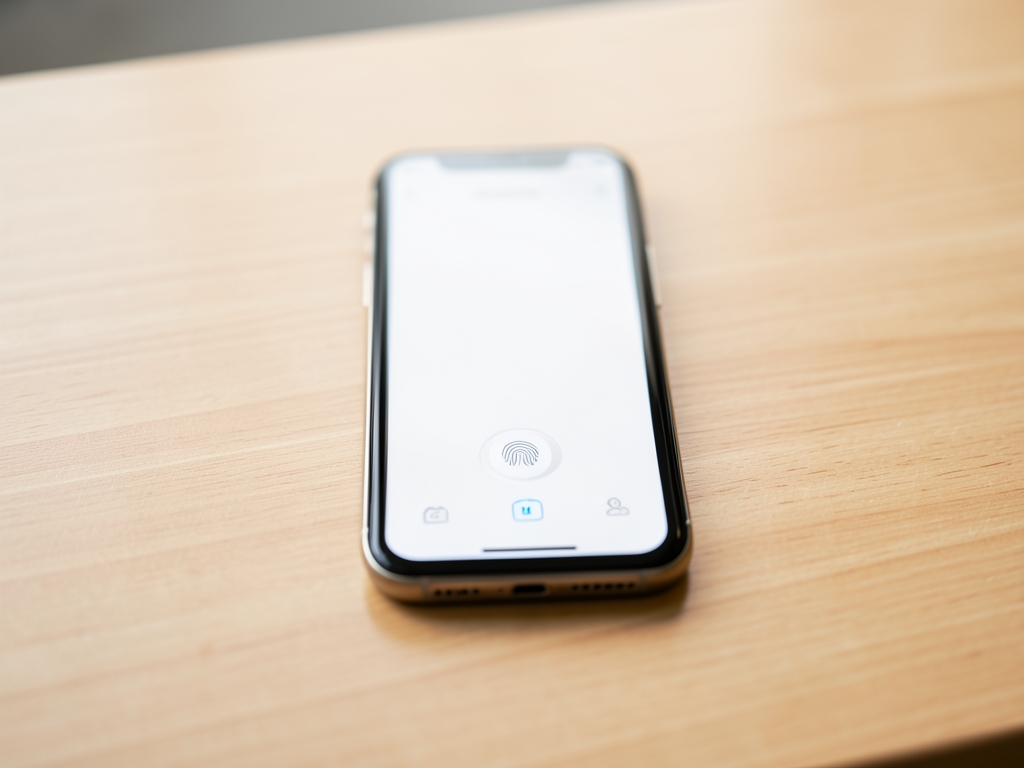
The release of digital wallet applications across competing mobile platforms has traditionally been viewed as a straightforward step toward platform parity. However, recent developments in the mobile ecosystem highlight how regulatory boundaries, platform policies, and technical restrictions can dramatically reshape software capabilities when a major service crosses over to a rival operating system. The arrival of Google Wallet on Apple's iOS ecosystem represents a significant milestone for cross-platform convenience, yet it enters the market missing the single feature that most consumers associate with digital wallets: native tap-to-pay functionality using device hardware.
For years, mobile users entrenched in the Android ecosystem have relied on Google Wallet not only for boarding passes, event tickets, and loyalty cards, but primarily for quick contactless financial transactions at retail terminals. When tech enthusiasts heard that Google Wallet was making its official debut on iOS devices, many anticipated an alternative to Apple Pay that would unify digital cards across different hardware ecosystems. Instead, the initial rollout has exposed strict platform limitations that prevent Google's application from replacing Apple's native payment system for everyday purchases at the point of sale.
Understanding the iOS NFC Restriction Landscape
The primary barrier keeping Google Wallet from offering full tap-to-pay capabilities on the iPhone is rooted in how operating systems manage internal hardware components. Apple has historically maintained tight control over the Near Field Communication (NFC) controller embedded within its hardware lineup. While Apple has recently begun opening NFC access to third-party developers in specific regions following intense global regulatory scrutiny, the infrastructure required to support a fully functional, globally deployed alternative payment network inside an iOS app remains constrained.
Warning! Users expecting to use Google Wallet as a direct replacement for Apple Pay at checkout terminals will find that core contactless payment processing is currently absent from the iOS release.
As a result, Google's application on the iPhone functions primarily as a digital pass manager rather than a fully fledged financial hub. Users can store transit passes, event tickets, gym memberships, and select identification cards, but the ability to tap an iPhone against a terminal to execute a credit or debit transaction through Google's network is missing from the current feature set. This architectural limitation underscores the ongoing friction between major technology conglomerates regarding hardware-level access and software ecosystem exclusivity.
What Google Wallet on iPhone Can Actually Do
Despite the absence of native tap-to-pay capabilities, the iOS version of Google Wallet still offers practical utility for consumers who manage digital items across multiple platforms or frequently switch between Android and iOS devices. Organizing passes, boarding passes, and loyalty programs in a centralized cloud account ensures that users do not lose access to essential travel documents simply because they changed their primary smartphone hardware.
| Feature Category | Android Ecosystem | iOS Ecosystem (Initial Launch) |
|---|---|---|
| Contactless Tap-to-Pay | Fully Supported | Not Available |
| Boarding Passes & Tickets | Fully Supported | Fully Supported |
| Loyalty & Membership Cards | Fully Supported | Fully Supported |
| Transit Card Integration | Region-Dependent | Limited / Pass Storage Only |
For international travelers and frequent flyers, maintaining digital boarding passes within a familiar application interface reduces friction. Many airlines and ticketing services integrate directly with Google's pass infrastructure, allowing users to save documents with a single tap from email confirmations or airline apps. Having access to these documents on an iPhone bridges a minor usability gap for households that utilize mixed-device environments.
Comparing Mobile Payment Ecosystem Strategies
The divergence between how Google and Apple approach mobile wallets reflects broader industry strategies. Apple's walled-garden approach tightly integrates hardware security modules with its software services, ensuring a seamless user experience while cementing customer loyalty to the iPhone hardware ecosystem. Conversely, Google's strategy has historically emphasized open availability across diverse hardware platforms, web integrations, and cross-device synchronization.
When Google brings its services to iOS, it must operate within the guardrails established by Apple's platform policies. These policies protect Apple's proprietary financial services revenue streams and maintain strict hardware security sandboxing. Critics and antitrust regulators have frequently scrutinized these practices, arguing that restricting NFC access unfairly disadvantages competing payment providers and limits consumer choice.
Practical Implications for Everyday Smartphone Users
Consumers evaluating whether to download Google Wallet on their iPhone should assess their specific digital management habits. If the goal is to declutter physical card slots by storing secondary loyalty cards, movie tickets, and flight passes, the application serves its purpose effectively. However, users looking for a multi-platform payment solution that unifies bank cards across both Android and Apple hardware will need to continue relying on separate solutions for each operating system.
Platform restrictions continue to define the boundaries of mobile software utility, reminding users that even the most versatile digital services must adapt to hardware-level rules imposed by device manufacturers.
Furthermore, security considerations remain paramount when handling digital passes and identity documents across multiple cloud services. Users should ensure their Google accounts are protected with robust multi-factor authentication, especially when storing sensitive personal documents or transit credentials that link back to personal identity profiles.
Looking Ahead: Will Tap-to-Pay Come to iOS Later?
Industry analysts and mobile developers are closely watching regulatory developments in the European Union, the United States, and other major markets where antitrust investigations continue to pressure big tech companies into opening proprietary hardware interfaces. As legal frameworks evolve and consumer demand for open interoperability grows, future software updates could potentially introduce broader NFC capabilities to third-party applications on iOS.
Until regulatory mandates or platform policy shifts force a broader opening of the iPhone's NFC hardware, Google Wallet on iOS will remain a complementary pass manager rather than a complete financial replacement for Apple Pay. Users transitioning between ecosystems should manage their expectations and verify specific feature availability before relying solely on cross-platform apps for essential daily tasks.
Can I use Google Wallet on an iPhone for tap-to-pay purchases?
No, the initial iOS release of Google Wallet does not include contactless tap-to-pay functionality due to platform-level hardware restrictions on the iPhone's NFC chip.
What features are actually available in Google Wallet for iOS?
The iOS app allows users to store and manage digital boarding passes, event tickets, loyalty cards, and select membership passes.
Why is Google Wallet missing contactless payments on iOS?
Apple restricts third-party app access to the iPhone's internal NFC controller, reserving direct point-of-sale payment capabilities for its own Apple Pay service in most regions.
Will Google Wallet ever get full tap-to-pay support on iPhones?
Future updates will depend heavily on ongoing global antitrust regulations and whether Apple is mandated to open full NFC hardware access to competing developers.
In conclusion, the launch of Google Wallet on the iPhone highlights the ongoing tension between cross-platform convenience and hardware ecosystem control. While it provides a convenient hub for organizing passes and tickets on Apple devices, the absence of core contactless payment features means it cannot yet serve as a universal digital wallet. Consumers should view it as a helpful supplementary tool rather than a full substitute for native payment systems.
