

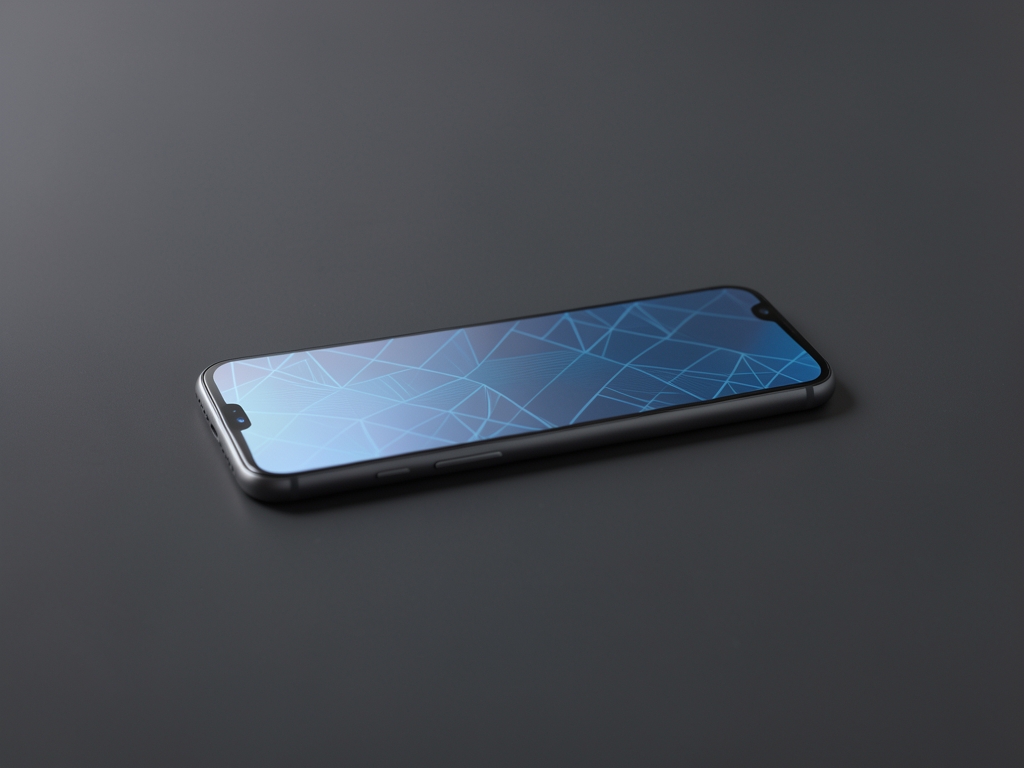
The smartphone landscape continually evolves as manufacturers seek to strike a balance between advanced hardware specifications, ergonomic design, and everyday usability. In a competitive market where consumers demand longer battery life and superior visual clarity without sacrificing portability, Motorola has officially expanded its portfolio with the introduction of the Motorola Edge 70 Neo. Positioned to capture attention across international markets, particularly within Europe and the United States, this latest device introduces notable hardware refinements over its predecessors. By addressing core consumer priorities such as screen brightness, energy efficiency, and overall device longevity, the Edge 70 Neo aims to establish a strong presence in the upper-mid-range device category.
Design Philosophy and Ergonomic Engineering
Modern mobile device engineering focuses heavily on achieving a slim profile while accommodating larger power cells and advanced cooling components. The Motorola Edge 70 Neo follows this philosophy by adopting a refined chassis that minimizes bezels while maintaining structural rigidity. The front panel features a curved glass transition that merges smoothly into the aluminum side rails, offering a comfortable grip during extended usage sessions. Engineers have optimized internal component placement to distribute weight evenly across the device, preventing the top-heavy feel common in larger handsets. Furthermore, the choice of matte finishes on the rear casing reduces fingerprint accumulation, ensuring that the device maintains a clean, professional appearance throughout daily handling.
Display Innovations: Visual Performance and Brightness
Display technology remains a primary battleground for smartphone manufacturers. The Edge 70 Neo incorporates a high-refresh-rate OLED panel engineered to deliver accurate color reproduction and deep contrast levels. By supporting an adaptive refresh rate that dynamically scales depending on the active application, the device conserves electrical power during static tasks like reading while ramping up smoothness during gaming or fast scrolling.
Peak brightness capabilities have also seen a substantial improvement, allowing the screen to remain legible under direct outdoor sunlight. Anti-reflective coatings applied to the top glass layer further mitigate glare, enhancing outdoor visibility for users who rely on navigation or media consumption on the go. Color calibration profiles included in the software interface let users choose between vibrant, saturated tones and accurate, sRGB-compliant color reproduction suited for photo editing and media creation.
Battery Capacity, Charging Efficiency, and Power Management
One of the most talked-about aspects of the Motorola Edge 70 Neo launch is its upgraded power subsystem. Mobile users consistently rank battery life as a critical purchasing factor, prompting manufacturers to engineer denser energy storage solutions. The Edge 70 Neo features a larger capacity battery compared to earlier iterations in the Neo series, achieved without significantly increasing the overall thickness of the phone.
Info! High-density lithium battery cells allow modern smartphones to store more energy in a compact physical footprint, reducing the need for midday recharges during intensive use.
To complement the larger power cell, the device supports advanced fast-charging protocols that replenish a significant percentage of the battery in a fraction of an hour. Intelligent thermal management algorithms monitor internal temperatures during rapid charging cycles, mitigating degradation and extending the overall lifespan of the battery cells over years of daily use. Software-level power management further optimizes background process execution, putting inactive applications into deep sleep states to minimize unnecessary energy drain.
Processor Architecture and Everyday Performance
Underneath the hood, the Motorola Edge 70 Neo relies on a modern system-on-chip designed for optimal energy efficiency and responsive multi-tasking. Built on an advanced semiconductor fabrication node, the processor balances high-performance cores for demanding applications with energy-efficient cores for routine tasks. This heterogeneous computing approach ensures that the device remains cool and responsive during intensive tasks such as video recording, augmented reality applications, or mobile gaming.
Paired with generous random access memory configurations and high-speed internal storage, the hardware architecture facilitates rapid app loading times and smooth switching between multiple active programs. Graphics processing units integrated into the chipset support modern rendering APIs, enabling fluid visual effects and stable frame rates across a wide variety of software applications.
Camera Systems and Computational Photography
Mobile photography has transitioned from relying solely on raw optical hardware to incorporating complex computational photography pipelines. The Edge 70 Neo features a multi-lens rear camera array designed to handle diverse shooting environments. The primary sensor incorporates optical image stabilization to reduce blur caused by hand movement during low-light photography, while an ultra-wide sensor expands the field of view for landscape and architectural shots.
Computational algorithms work in real-time to analyze scenes, adjusting exposure, sharpening details, and reducing noise before the final image is saved. High dynamic range processing ensures that high-contrast scenes—such as subjects standing against bright backgrounds—retain detail in both highlight and shadow areas. Video recording capabilities include advanced stabilization modes and high-resolution capture options suitable for content creators and casual users alike.
Software Experience and Long-Term Support
Operating system software plays a vital role in unifying hardware capabilities into a cohesive user experience. The Motorola Edge 70 Neo runs on a clean, near-stock user interface that minimizes bloatware and emphasizes intuitive navigation. Customization options allow users to tailor accent colors, icon shapes, and gesture controls to their personal preferences without navigating complex menus.
Security updates and system maintenance are essential considerations for modern buyers. Motorola has committed to providing regular security patches and operating system upgrades to ensure the device remains protected against newly discovered vulnerabilities. This longevity aligns with growing consumer demand for sustainable technology choices that remain functional and secure for extended periods.
Market Positioning and Competitive Landscape
In the global smartphone arena, the upper-mid-range tier is fiercely contested by established brands offering aggressive specifications at competitive price points. The Motorola Edge 70 Neo enters this space with a well-rounded feature set that prioritizes display quality, battery stamina, and build ergonomics. Rather than engaging in specs-sheet marketing wars, the device focuses on delivering a reliable, balanced user experience that addresses everyday pain points.
Consumers in European and American markets looking for a reliable daily driver that avoids the extreme pricing of ultra-flagship devices will find the Edge 70 Neo a compelling option. Its combination of refined aesthetics, robust energy management, and modern processing power makes it a notable release in the current mobile ecosystem.
What are the key upgrades in the Motorola Edge 70 Neo?
The Motorola Edge 70 Neo introduces notable improvements in display brightness, refresh rate adaptability, overall battery capacity, and charging efficiency compared to previous models.
Does the device support fast charging technologies?
Yes, the smartphone supports advanced rapid-charging protocols designed to replenish a significant portion of the battery capacity quickly while managing internal temperatures.
What type of display panel is used on the Edge 70 Neo?
The phone features a high-refresh-rate OLED panel equipped with anti-reflective coatings and enhanced peak brightness to ensure excellent outdoor legibility.
What software interface does the smartphone run?
The device operates on a clean, near-stock user interface that emphasizes smooth navigation, minimal pre-installed bloatware, and strong long-term security support.
As mobile technology matures, devices like the Motorola Edge 70 Neo demonstrate that meaningful innovation often lies in refining the core elements that define daily interaction. By successfully integrating a brighter display, extended battery endurance, and efficient processing hardware, Motorola has delivered a balanced device capable of meeting the diverse needs of modern mobile consumers.
