

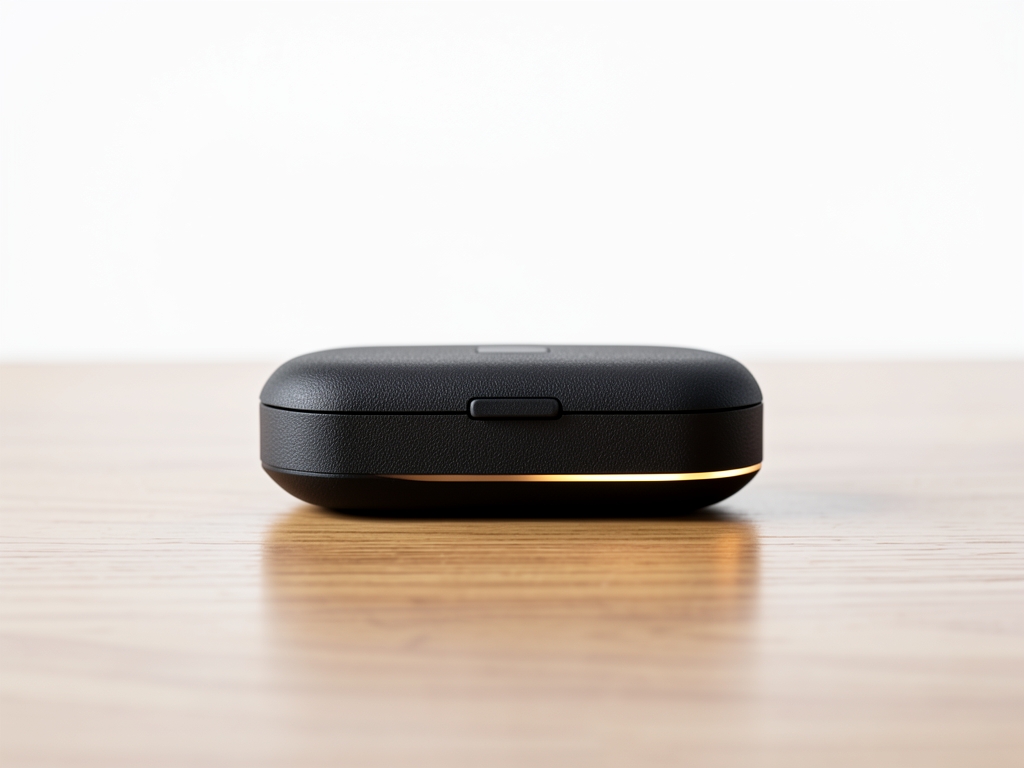
The consumer technology landscape has witnessed countless iterations of screens, notifications, and increasingly complex user interfaces. Yet, a striking new direction is emerging from design-focused hardware manufacturers. Breaking away from the relentless march of larger displays, higher refresh rates, and multi-lens camera arrays, emerging engineering announcements point toward a radical simplification of digital interaction. In a market saturated with glowing rectangles that demand constant visual attention, the unveiling of a dedicated artificial intelligence hardware device stripped entirely of screens and visual specifications represents a fascinating philosophical and mechanical departure from traditional consumer electronics.
Examining this paradigm shift requires a close look at how hardware design is adapting to the capabilities of modern machine learning models. For years, digital assistants lived behind glass interfaces, requiring users to unlock devices, launch applications, and navigate through nested menus. By stripping away visual feedback mechanisms entirely, designers are challenging the fundamental assumption that a smart device requires a display to be functional. This shift moves the focus from visual consumption to voice and tactile interaction, reshaping the relationship between humans and computational power.
The Philosophy Behind Screenless Hardware Engineering
When engineering teams remove screens from pocket-sized electronics, they eliminate a massive power draw and a primary driver of user distraction. Traditional smartphones rely on high-resolution panels that dictate the physical dimensions, battery capacity, and thermal management of the chassis. Removing the screen entirely frees engineers to rethink form factors from the ground up. The resulting physical object prioritizes ergonomics, pocketability, and tactile feedback over multimedia consumption.
At the center of this minimalist hardware approach is a single physical button. Rather than offering endless menus, toggles, and swipe gestures, a single-button interface forces software architects to design streamlined, intent-driven interactions. Users press to speak, prompt, or trigger contextual tasks, relying on advanced speech-to-text processing and ambient audio responses rather than visual readouts. This reduction in cognitive load addresses a growing consumer fatigue associated with constant screen time and notification overload.
Info! Screenless hardware devices rely heavily on low-latency audio processing and edge computing capabilities to deliver instantaneous responses without relying on visual confirmation.
Bridging the Gap Between AI Models and Physical Form Factors
Modern artificial intelligence has evolved far beyond text-based chat windows on desktop computers. Voice models and intelligent agents now possess the contextual awareness required to manage complex tasks through natural conversation. However, forcing these advanced models through traditional smartphone apps introduces friction. An autonomous, dedicated hardware accessory designed exclusively for ambient AI interaction bridges that gap.
Consider how everyday tasks are handled in a screenless ecosystem:
- Users press the physical button to wake the local microphone array.
- The ambient operating system captures the voice prompt and routes it securely to the cloud or local processing unit.
- The integrated AI agent interprets intent, executes the necessary digital action, and delivers an audio confirmation or triggers a connected smart home routine.
- The device returns immediately to a low-power standby state without illuminating any display panels.
This streamlined workflow highlights a fundamental change in hardware priorities. Processing power is dedicated entirely to natural language understanding and contextual awareness rather than driving pixel-dense graphics engines.
Implications for the Broader Consumer Electronics Market
The introduction of specialized, single-purpose AI hardware challenges established industry giants who rely on incremental annual upgrades to smartphone specifications. While flagship handsets continue to compete on camera megapixel counts, folding hinges, and display brightness, niche hardware startups are betting that consumers want fewer distractions rather than more pixels. If these screenless form factors gain traction, they could carve out a distinct product category sitting between smartwatches, wireless earbuds, and traditional mobile phones.
Furthermore, enterprise adoption and privacy considerations will play a critical role in shaping how these devices evolve. Consumers are increasingly wary of devices that track location, display targeted advertisements, or gather excessive visual data. A device with zero screens and a deterministic physical input offers a tangible sense of control. When the microphone is inactive and the button is unpressed, the user retains absolute certainty that no active monitoring or display output is occurring.
Technical Challenges in Designing Screenless AI Devices
Developing hardware without a screen is deceptively complex. Without a graphical user interface to guide users through initial setup, pairing, and troubleshooting, engineers must innovate alternative feedback mechanisms. Haptic motors, spatial audio cues, and LED indicator lights must convey system status, battery levels, and connectivity states intuitively.
| Design Element | Traditional Smartphone | Screenless AI Device |
|---|---|---|
| Primary Interface | Multi-touch capacitive display | Single physical button and voice |
| Power Consumption | High (driven by display panel) | Extremely low (standby optimized) |
| Form Factor | Flat, rectangular glass slab | Ergonomic, pocketable object |
| User Distraction | High (constant notifications) | Minimal (audio-first engagement) |
Audio fidelity and microphone sensitivity also present formidable engineering hurdles. A pocket-worn or palm-held device must accurately isolate human speech from ambient street noise, wind, and indoor acoustics. Achieving this requires advanced beamforming microphone arrays paired with specialized low-power neural processing units capable of real-time audio filtering.
The Future of Ambient Computing and Post-Smartphone Design
As artificial intelligence continues to embed itself into everyday workflows, the devices we use to access intelligence are undergoing a profound metamorphosis. The era of carrying a glowing slab of glass for every minor interaction may not disappear overnight, but the demand for friction-free, specialized companions is undeniable. By stripping away screens, specifications lists, and unnecessary complexity, designers are opening the door to a more intuitive, human-centric phase of technology.
The ultimate sophistication in hardware design is not adding more features, but removing everything that stands between the user and their intent.
Whether minimalist hardware concepts achieve mainstream commercial success or remain a fascinating exploration for tech enthusiasts, they have already succeeded in shifting the industry conversation. They remind manufacturers and consumers alike that technology should serve human needs quietly and efficiently, without demanding our undivided visual attention.
What makes a screenless AI device different from a traditional smartphone?
A screenless AI device eliminates display panels, graphical user interfaces, and complex app ecosystems in favor of a simplified physical interaction model. It relies on voice commands and a single physical button to interface with advanced language models, drastically reducing power consumption and user distraction.
How do users interact with a device that has no screen or visual menu?
Interaction is handled primarily through natural voice prompts initiated by pressing a single physical button. The device provides feedback using precise haptic vibration patterns, spatial audio cues, and subtle ambient lighting rather than visual text or graphics.
Why are manufacturers removing screens from certain AI hardware designs?
Removing screens eliminates the primary source of battery drain and hardware bulk in mobile devices. It also addresses growing consumer fatigue over constant screen time, notifications, and visual distractions.
What are the biggest engineering challenges in building a screenless gadget?
Engineers must overcome significant challenges in microphone beamforming and ambient noise cancellation to ensure accurate voice recognition. Additionally, designing intuitive setup procedures without a visual display requires innovative use of haptics and audio feedback.
Ultimately, the evolution toward screenless, AI-first hardware reflects a maturing industry willing to question long-held design dogmas. As artificial intelligence models grow more capable, the physical form factor of our tools will continue to adapt, prioritizing seamless utility and human focus over raw technical specifications.
