

The year 2026 has arrived with an unmistakable environmental urgency, marked by unprecedented atmospheric phenomena and intensifying global weather patterns. According to comprehensive updates released by the World Meteorological Organization (WMO), planetary vital signs have reached a critical juncture, prompting international scientific communities and policymakers to re-evaluate current ecological trajectories. As global temperatures continue to track among the highest in recorded history, researchers emphasize the immediate need for robust observational frameworks and aggressive adaptation strategies across Europe, the United States, and beyond.
The latest scientific assessments indicate that accumulated heat within the Earth system is driving unprecedented shifts across marine and terrestrial environments. Climatologists point out that the convergence of sustained long-term greenhouse gas accumulation and cyclical oceanic anomalies is fundamentally altering regional weather systems. These shifts are no longer theoretical projections for distant decades; they manifest as tangible, high-impact meteorological events that directly influence infrastructure, agricultural yields, public health frameworks, and coastal ecosystem stability worldwide.
Understanding the Drivers of Modern Climate Extremes
At the center of current meteorological discussions is the compounding effect of multi-year warming trends interacting with powerful oceanic cycles. The WMO analyses highlight how thermal energy storage in the upper layers of the world's oceans continues to accelerate. Because oceans absorb the vast majority of excess heat generated by human activities, rising sea surface temperatures act as a persistent engine for atmospheric instability.
Info! The World Meteorological Organization serves as the United Nations system's authoritative voice on the state and behavior of the Earth's atmosphere, its interaction with the oceans, the climate it produces, and the resultant distribution of water resources.
When these elevated marine temperatures coincide with shifting wind patterns and atmospheric pressure anomalies, the frequency and severity of extreme weather events multiply. Regions unaccustomed to prolonged heatwaves experience unprecedented thermal stress, while traditional precipitation belts shift unpredictably. This 'supercharging' of weather dynamics means that ordinary storms can rapidly intensify into destructive systems, challenging the design thresholds of municipal drainage, electrical grids, and coastal defenses.
Global Impacts Across Continents
The ramifications of these planetary extremes extend across diverse geographical zones, affecting urban and rural populations alike. In North America and Europe, record-breaking summer temperatures have strained energy grids, disrupted transportation networks, and heightened wildfire risks across vulnerable forested landscapes. Meanwhile, agricultural sectors face mounting pressures as erratic rainfall distribution complicates planting and harvesting schedules.
Scientific monitoring networks have documented accelerated glacial retreat, thinning Arctic sea ice, and increased rates of permafrost degradation. These changes not only threaten local ecosystems and indigenous communities but also contribute to global sea-level rise, posing long-term hazards for low-lying coastal cities from Miami to Rotterdam. The cascading effects of these disruptions underscore the interconnected nature of global environmental stability.
The Role of Advanced Monitoring and Early Warning Systems
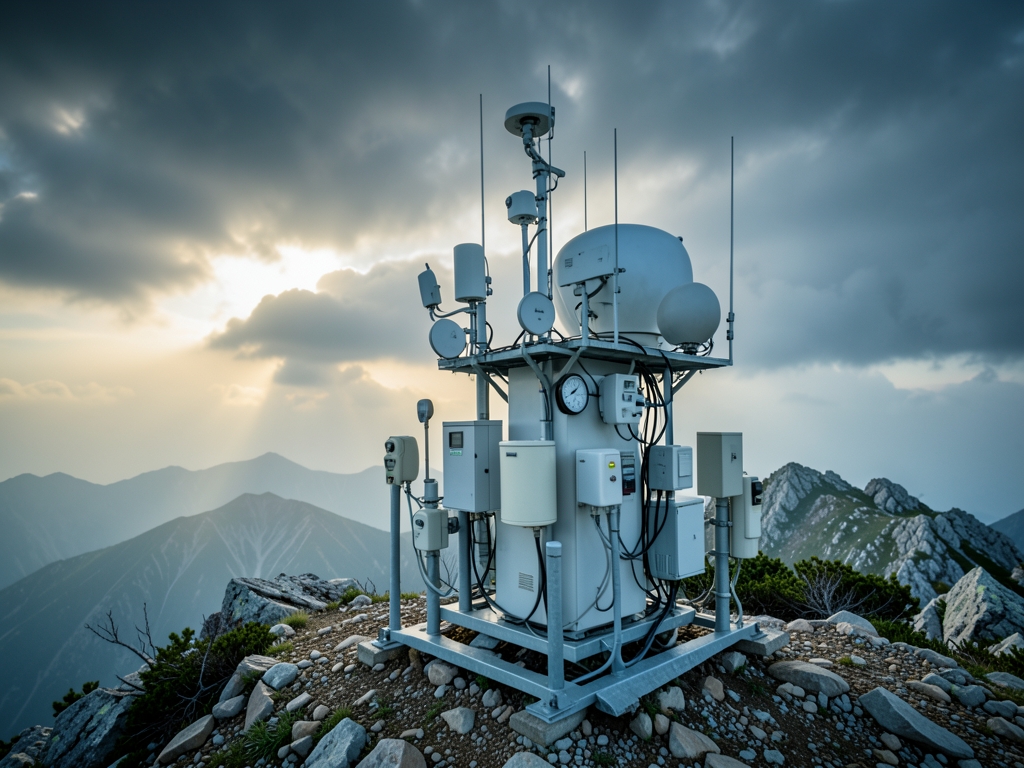
In response to intensifying climatic pressures, international meteorological agencies have accelerated the deployment of high-resolution monitoring technologies. Advanced satellite telemetry, deep-ocean Argo floats, and automated ground-based sensors now provide unprecedented real-time data regarding atmospheric composition, oceanic heat content, and ice mass fluctuations.
Equally critical is the expansion of people-centered early warning systems. By combining sophisticated climate modeling with localized alert infrastructure, emergency management agencies can provide vulnerable populations with actionable lead times ahead of severe weather events. Effective preparedness significantly reduces potential loss of life and property damage, demonstrating the tangible value of sustained investment in earth sciences.
Mitigation, Adaptation, and International Policy
Addressing the challenges outlined in recent global climate reports requires a dual approach focused on aggressive mitigation and pragmatic adaptation. Mitigation efforts remain anchored in transitioning away from carbon-intensive energy systems, improving industrial energy efficiency, and expanding investments in renewable generation technologies such as solar, wind, and advanced energy storage.
Simultaneously, adaptation strategies focus on building resilient infrastructure capable of withstanding extreme temperatures, severe flooding, and prolonged droughts. Urban planners increasingly prioritize nature-based solutions, including the expansion of urban green spaces, the restoration of natural wetlands, and the implementation of permeable pavements to manage stormwater runoff effectively.
International frameworks continue to serve as vital platforms for coordinating these complex responses. By fostering transparency, sharing scientific data, and mobilizing climate finance for developing nations, global summits facilitate collaborative action against shared ecological vulnerabilities.
Warning! Without accelerated emissions reductions and strengthened local adaptation planning, future socioeconomic losses driven by climate extremes are projected to escalate significantly across both developed and developing regions.
Frequently Asked Questions
What does the term 'off-the-charts' mean in recent climate reports?
The phrase describes meteorological and oceanographic measurements that significantly exceed historical statistical distributions and previous observational records, highlighting the extraordinary scale of current global warming.
How do oceanic cycles influence global weather extremes?
Oceanic cycles, such as El Niño and La Niña, redistribute vast amounts of thermal energy across the globe. When combined with baseline global warming, these cycles can amplify atmospheric instability, altering rainfall patterns and temperatures worldwide.
Why are early warning systems essential for climate adaptation?
Early warning systems provide timely, accurate forecasts that enable communities and emergency responders to prepare for extreme weather events, substantially reducing risks to human life and economic infrastructure.
