

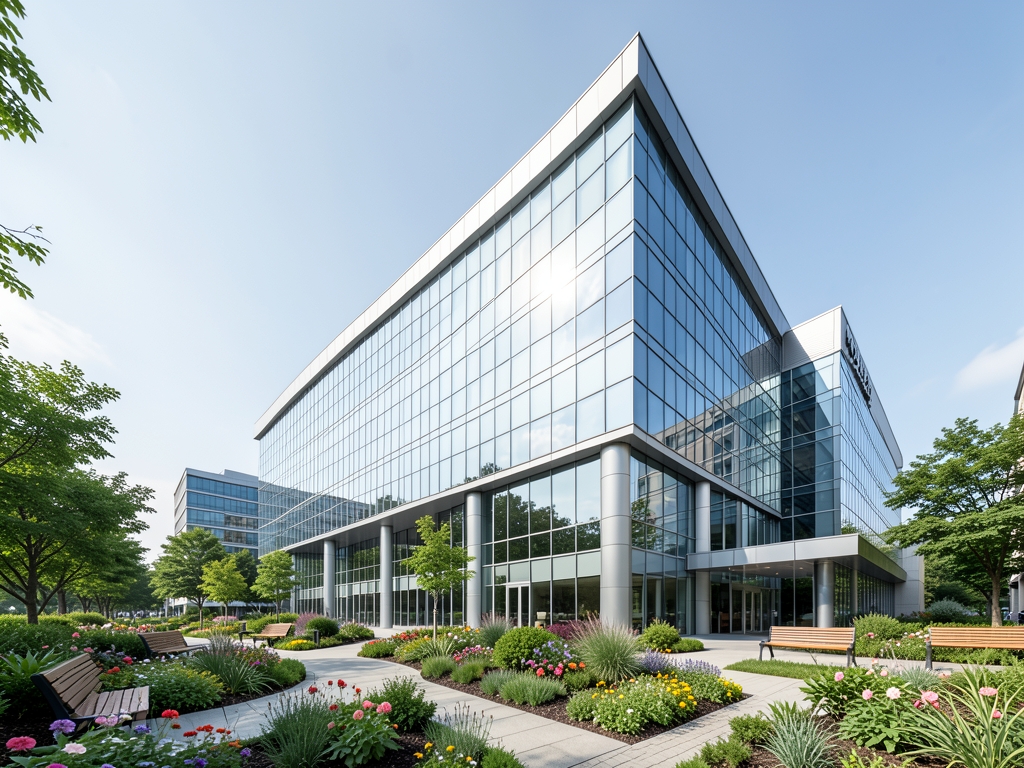
The landscape of regional healthcare access took a major step forward with the official opening of a state-of-the-art oncology facility designed to bring advanced specialized medicine closer to suburban and rural communities. Healthcare infrastructure investments of this magnitude reflect an ongoing shift in modern medicine toward decentralized, highly specialized care networks. By establishing comprehensive regional hubs, major healthcare systems can reduce travel burdens for vulnerable patients while delivering cutting-edge diagnostic and therapeutic capabilities directly to local regions.
The Strategic Vision Behind Regional Cancer Hubs
For decades, advanced cancer treatment was heavily concentrated in massive urban medical centers. While these academic powerhouses offer world-class expertise, the daily reality for patients undergoing prolonged treatment regimens often involves grueling commutes, traffic congestion, and immense physical fatigue. The establishment of dedicated regional facilities aims to dismantle these geographic barriers.
Modern cancer care requires a seamless integration of multiple medical disciplines, including surgical oncology, radiation therapy, medical oncology, diagnostic imaging, and supportive care services. Designing a facility from the ground up allows health systems to house these interconnected departments under a single roof. Patients no longer need to travel between disparate offices for scans, consultations, and infusions.
Furthermore, regional expansion helps address growing patient volumes driven by demographic shifts. As populations age, the incidence of cancer diagnoses naturally rises, placing severe strain on legacy urban facilities. Decentralizing specialized oncology services ensures that metropolitan hospitals can focus on ultra-rare conditions and complex bone marrow transplants, while regional hubs handle comprehensive outpatient care, chemotherapy, radiation therapy, and survivorship programs.
Advanced Medical Technology and Treatment Infrastructure
A multi-million-dollar healthcare investment fundamentally centers on the acquisition and integration of advanced medical technology. Contemporary cancer treatment relies heavily on precision medicine, where therapies are tailored to the genetic profile of a specific tumor rather than just its anatomical location.
State-of-the-art regional cancer centers typically incorporate advanced linear accelerators capable of delivering high-precision radiation therapy with minimal impact on surrounding healthy tissue. These modern systems utilize real-time imaging guidance, allowing clinicians to track tumor movement during treatment and adjust radiation beams dynamically. Such precision is crucial in minimizing debilitating side effects and improving long-term quality of life for patients.
In addition to radiation oncology, diagnostic imaging suites within these hubs feature high-field MRI scanners, advanced CT systems, and PET imaging equipment. Early and accurate detection remains one of the most powerful tools in oncology. Enhanced imaging capabilities enable oncologists to monitor treatment efficacy much earlier in the cycle, allowing care teams to pivot therapeutic strategies promptly if a tumor proves resistant to an initial regimen.
Comprehensive Support Services and Patient-Centric Design
Clinical excellence represents only one dimension of modern cancer care. The psychological, emotional, and physical toll of an oncology diagnosis demands an environment crafted specifically for healing and comfort. Contemporary healthcare architectural design emphasizes natural light, soothing interior color palettes, private infusion suites, and intuitive navigation.
Navigating a cancer diagnosis involves overwhelming administrative, nutritional, and emotional challenges. Comprehensive regional hubs integrate supportive care services directly into the patient care pathway. Dedicated oncology nurse navigators guide individuals and their families through every stage of the medical journey, coordinating appointments, clarifying insurance questions, and connecting patients with financial counselors.
Info! Dedicated oncology nurse navigators serve as single points of contact, significantly reducing patient anxiety and administrative delays during complex treatment scheduling.
Nutritional counseling plays an equally vital role in oncology. Maintaining proper metabolic health and nutritional status during aggressive chemotherapy or radiation treatments helps preserve physical strength and immune function. Registered dietitians specializing in oncology work closely with patients to manage side effects such as nausea, taste alterations, and appetite loss.
Psychosocial support, including individual therapy, support groups, and integrative medicine therapies such as acupuncture and mindfulness coaching, forms an integral component of comprehensive care models. Recognizing that healing extends far beyond tumor eradication ensures that patients receive holistic support addressing their mental well-being alongside physical recovery.
Multidisciplinary Tumor Boards and Collaborative Care
One of the greatest advancements in modern oncology is the widespread adoption of multidisciplinary tumor boards. Rather than relying on the isolated opinion of a single physician, complex cases are reviewed collectively by a team of specialists including medical oncologists, surgical oncologists, radiation oncologists, pathologists, radiologists, and genetic counselors.
Regional hubs are strategically connected via secure high-speed communication networks to larger academic health systems, enabling local care teams to consult with national sub-specialists on rare or aggressive malignancies. This collaborative framework ensures that a patient receiving treatment at a suburban regional hub benefits from the collective expertise of a massive academic medical network without needing to leave their local community.
Economic and Community Impact of Regional Healthcare Investments
Substantial healthcare capital investments exert a profound positive ripple effect throughout regional economies. Constructing and operating an advanced medical facility creates hundreds of high-paying jobs for specialized physicians, medical physicists, oncology nurses, pharmacists, radiological technicians, and administrative professionals.
Beyond direct employment, regional healthcare hubs stimulate local economic activity by attracting ancillary medical services, pharmaceutical research partnerships, and medical device suppliers. For local residents, having access to world-class healthcare infrastructure enhances overall community desirability and property values, while eliminating the economic disruption of traveling great distances for routine diagnostic tests and therapy sessions.
Furthermore, these facilities frequently spearhead community outreach and prevention initiatives. By hosting regular screenings for common malignancies such as breast, colon, and lung cancer, regional hubs play a proactive role in early detection, catching diseases at localized, highly treatable stages before they advance.
Navigating the Future of Community-Based Oncology
The successful launch of advanced regional cancer facilities signals a mature evolution in healthcare delivery. As medical science continues to unlock targeted immunotherapies, gene therapies, and sophisticated diagnostic tools, ensuring equitable access across diverse geographic regions remains a paramount priority for health system leaders.
Patients and families navigating an oncology diagnosis should actively inquire about available regional resources, clinical trial opportunities closer to home, and integrated supportive care programs. Empowering patients with comprehensive information fosters a collaborative partnership between individuals and their clinical care teams, paving the way for better clinical outcomes and a more compassionate healing environment.
What specialized services are typically offered at a regional cancer hub?
Regional cancer hubs generally provide medical oncology, radiation therapy, diagnostic imaging, infusion suites, genetic counseling, nutritional support, and dedicated nurse navigation services under one roof.
How do regional cancer centers benefit patients compared to traveling downtown?
Regional facilities significantly reduce travel time, parking challenges, and physical fatigue for patients undergoing frequent, ongoing treatments while maintaining access to advanced therapeutic technology.
What is a multidisciplinary tumor board?
A multidisciplinary tumor board is a collaborative group of specialists—including oncologists, surgeons, radiologists, and pathologists—who review complex patient cases together to determine the most effective personalized treatment plan.
How do advanced regional facilities support patient mental health?
These modern facilities integrate psychosocial support services, including professional counseling, support groups, patient education, and integrative wellness therapies, directly into the outpatient care experience.
The ongoing expansion of decentralized specialized medical infrastructure demonstrates that high-tech oncology care and patient-centered convenience can successfully coexist, offering renewed hope and accessibility to communities everywhere.
