

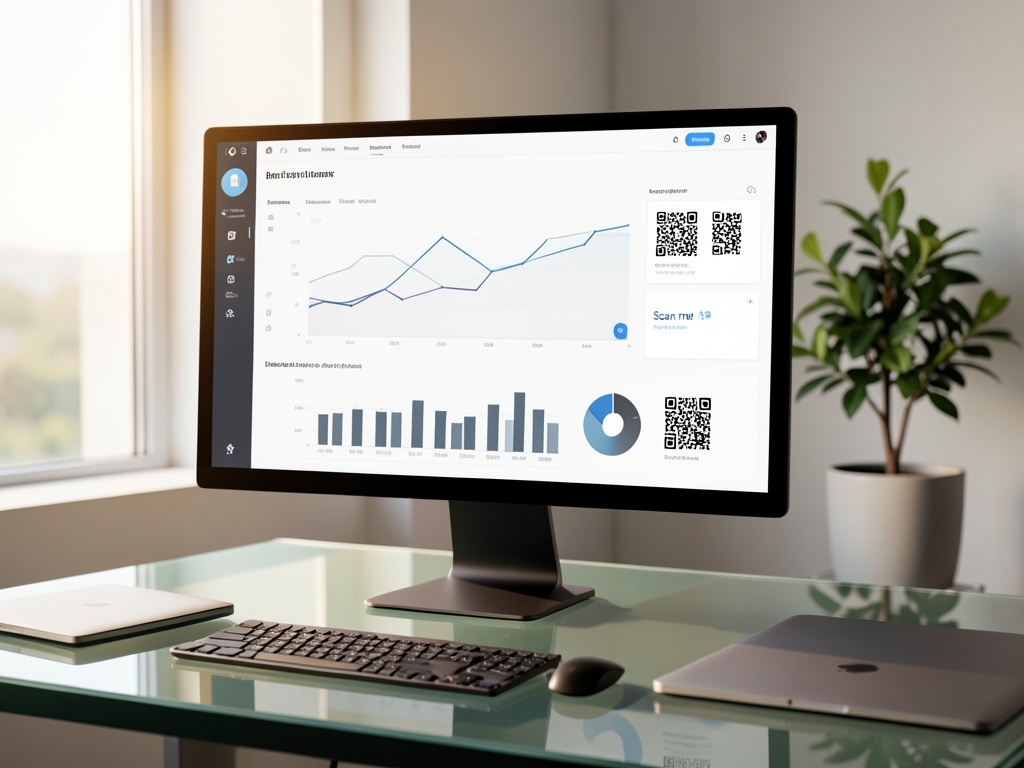
The digital landscape relies heavily on rapid, friction-free connections between physical environments and online resources. Quick Response codes have evolved from basic black-and-white pixel grids into sophisticated data routing tools that power marketing campaigns, authentication systems, inventory management, and customer engagement portals worldwide. Recognizing the growing demand for enterprise-grade flexibility and advanced data tracking, platform providers continue to refine their infrastructure. Official announcements from technology and business intelligence networks highlight significant updates in how companies deploy and manage these functional gateways at scale.
Understanding the architectural shifts behind modern code generation platforms helps developers, marketers, and business owners optimize their digital touchpoints. This comprehensive overview examines recent platform enhancements, core feature sets, security standards, and practical implementation strategies for organizations seeking robust digital connectivity.
The Evolution of Enterprise QR Code Infrastructure
Early implementations of matrix barcodes were largely static. Once encoded, the destination URL or data payload could never be altered without generating an entirely new graphic asset and redistributing printed materials. This limitation created severe logistical hurdles for retail packaging, restaurant menus, event ticketing, and outdoor advertising campaigns where destination pages frequently change.
Modern platforms solve this bottleneck by introducing dynamic routing architecture. Instead of embedding the final destination directly into the graphical grid, dynamic generators encode a short redirection URL managed by the platform servers. When a user scans the code with a smartphone camera, the request routes through secure servers before landing on the target web page. This architecture allows administrators to update destination URLs in real-time without modifying the physical print assets.
Recent platform upgrades focus heavily on improving server response times, scaling concurrent scan handling, and reducing latency during high-traffic promotional events. Enterprise users managing thousands of distinct campaigns require immediate propagation of URL updates across global content delivery networks, ensuring zero downtime for consumers interacting with physical collateral.
Core Features and Advanced Customization Capabilities
Professional deployment requires more than simple URL redirection. Modern generators offer extensive design, tracking, and integration options tailored to corporate branding and analytical requirements.
- Dynamic Redirection and Link Management: Instantly update target URLs, landing pages, and document downloads without reprinting physical marketing materials or product packaging.
- Advanced Analytics and Tracking: Monitor scan volumes, geographic distribution by country and city, operating system breakdowns (iOS versus Android), and peak engagement times through intuitive web dashboards.
- Visual Customization and Branding: Incorporate corporate color palettes, custom center-node logos, specialized frame borders, and unique dot shapes while maintaining high error-correction margins for reliable scanning.
- Bulk Generation Tools: Generate thousands of unique codes simultaneously using CSV or Excel data imports, streamlining large-scale product serialization and logistical tracking operations.
- API Integration: Connect generation workflows directly into internal enterprise resource planning systems, customer relationship management platforms, and automated marketing tools.
When selecting a generation platform, organizations must evaluate whether these features align with their operational scale. Small businesses may prioritize ease of use and basic scan tracking, while multinational enterprises require robust user permission hierarchies, multi-tenant workspace management, and enterprise-grade data export capabilities.
Security Protocols and Data Privacy Standards
Warning! Improper handling of dynamic redirect links can expose organizations to malicious interception or phishing vulnerabilities if platforms lack strict security infrastructure.
Because dynamic codes rely on intermediate redirection servers, cybersecurity is a paramount concern for platform operators and end users alike. Enterprise-grade tools implement rigorous security protocols to protect both brand reputation and consumer data integrity.
Standard security measures include enforced HTTPS encryption across all redirection links, multi-factor authentication for administrative dashboard access, and role-based permission controls that prevent unauthorized team members from altering critical campaign routing. Furthermore, compliant platforms adhere strictly to regional data privacy regulations such as the European Union General Data Protection Regulation and the California Consumer Privacy Act, ensuring that end-user scan data is anonymized and handled securely.
Organizations must also remain vigilant against QR-based phishing attacks, commonly known as quishing, where malicious actors overlay fraudulent stickers on top of legitimate public codes. Utilizing platforms that support signed URLs, domain white-labeling, and verified corporate domains mitigates this risk by assuring users they are landing on an authentic, trusted enterprise destination.
Practical Business Applications Across Industries
The versatility of advanced code generation platforms has driven adoption across diverse industrial sectors. Each vertical leverages specific technical features to solve operational challenges and enhance user experiences.
| Industry Sector | Primary Use Case | Key Platform Feature Utilized |
|---|---|---|
| Retail and Consumer Goods | Product authentication and loyalty rewards | Dynamic tracking and bulk generation |
| Hospitality and Tourism | Digital menus and multilingual guides | Real-time content updates |
| Corporate Enterprise | Secure employee badging and visitor check-in | API integration and access control |
| Event Management | Ticketing, scheduling, and venue mapping | High-volume concurrent scan handling |
In retail environments, manufacturers use serialized codes on product packaging to combat counterfeiting and provide consumers with verified supply chain transparency. By scanning the code, a customer verifies the authenticity of the item while simultaneously accessing warranty registration forms and promotional offers.
In the hospitality sector, dynamic routing allows venues to maintain updated digital menus, allergen information, and daily specials without reprinting expensive physical menus. This operational flexibility reduces waste and accelerates service workflows during peak operating hours.
Best Practices for Implementing Digital Gateway Strategies
Successful deployment requires careful planning regarding physical print quality, error correction levels, and user experience design. Ignoring fundamental technical parameters often results in unreadable codes and frustrated customers.
- Determine Campaign Objectives: Define whether the goal is brand awareness, data collection, direct sales, or logistical tracking before selecting a static or dynamic generation format.
- Maintain High Contrast: Ensure dark codes are printed on light backgrounds with sufficient contrast ratio to guarantee fast autofocus recognition across diverse mobile devices.
- Configure Error Correction: Select appropriate error correction levels (typically Level M or H) to ensure codes remain scannable even if minor smudging, scratching, or partial obstruction occurs.
- Test Across Multiple Devices: Rigorously test generated graphics using various smartphone models, operating systems, and scanning applications before authorizing large-scale commercial printing.
Adhering to these structured steps prevents costly errors and ensures that physical marketing collateral delivers reliable digital engagement over extended lifespans.
What is the difference between static and dynamic codes?
Static codes contain fixed data embedded directly into the pixel pattern, meaning the destination URL cannot be changed once printed. Dynamic codes use a short redirection URL managed by a platform server, allowing administrators to update the target landing page at any time without altering the physical graphic.
Can I track the number of people who scan my business codes?
Yes. Advanced generation platforms provide comprehensive analytics dashboards that record total scan counts, unique visitors, geographic locations by country and city, device types, and time of day data for all active dynamic campaigns.
Are enterprise generation platforms secure against data privacy regulations?
Reputable enterprise platforms comply with major international privacy frameworks such as GDPR and CCPA. They utilize encrypted connections, anonymize user analytics data, and offer secure domain white-labeling to prevent phishing risks.
Is it possible to generate thousands of unique codes simultaneously?
Most professional platforms feature bulk generation tools. Users can upload spreadsheet files containing variable data to automatically produce large batches of unique codes for product serialization, inventory management, or ticketing operations.
Platform enhancements across the digital solutions sector continue to redefine how businesses bridge physical collateral with online infrastructure. By leveraging dynamic routing, robust analytics, and enterprise-grade security protocols, organizations can optimize their digital touchpoints while maintaining complete control over their marketing assets and data privacy standards.
