

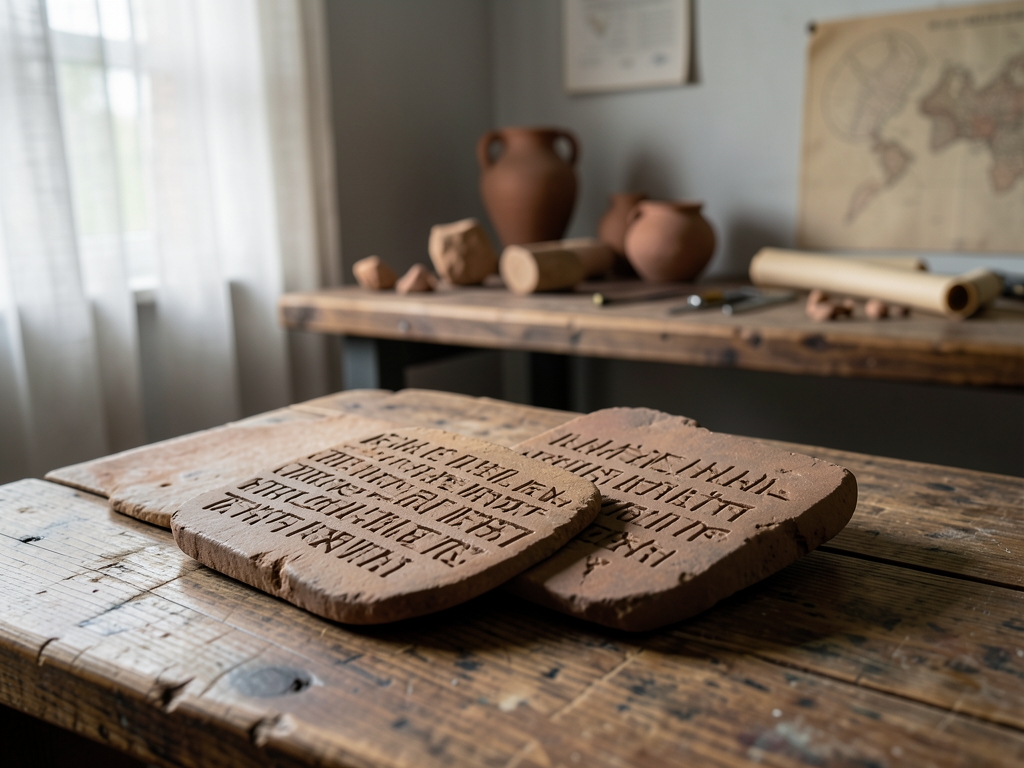
Few historical repositories offer as vivid a window into the triumphs and catastrophic struggles of the ancient world as the royal archives of Hattusa. Located in the heart of modern-day Turkey, the capital of the Hittite Empire once governed vast swaths of the Near East during the Bronze Age. For decades, archaeologists and linguists have painstakingly excavated and translated thousands of clay tablets unearthed from these sprawling ruins. Recent scholarly focus on these texts has shed unprecedented light on how an ancient superpower managed devastating societal disruptions, including prolonged geopolitical conflicts and sweeping epidemic diseases that threatened the very survival of the state.
Understanding the daily realities of ancient Anatolian civilization requires looking past monumental architecture and royal proclamations. The daily records left behind by Hittite scribes provide unfiltered accounts of political instability, military campaigns, and public health crises. By examining these cuneiform archives, contemporary historians can reconstruct how ancient administrations tracked shifting borders, provisioned armies during wartime, and responded to mysterious plagues that swept across urban and rural populations alike.
The Geopolitical Landscape of the Hittite Empire
At its zenith during the mid-to-late Bronze Age, the Hittite Empire stood as a peer and rival to ancient Egypt, Assyria, and Babylon. Control over vital trade routes, mineral resources, and agricultural heartlands made Anatolia a coveted geopolitical prize. However, governing such a diverse territory required an intricate network of vassal states, military garrisons, and administrative centers. The royal archives functioned as the neural center of this vast imperial machinery.
Scribes recorded treaties, land grants, court verdicts, and intelligence reports on durable clay tablets. When military campaigns faced unexpected hurdles, detailed reports were dispatched back to the capital. These documents reveal that Hittite rulers were constantly engaged in diplomatic maneuvering and pre-emptive military actions to secure their borders against hostile neighbors, particularly the Kaskians to the north and regional rivals in Syria.
Maintaining military readiness across rugged Anatolian terrain was an enormous logistical challenge. Supply lines stretched across treacherous mountain passes, and troops had to be sustained for months away from home. The archives show that royal administrators kept meticulous inventories of grain reserves, livestock, and weaponry to ensure that armies could sustain long sieges and defend strategic strongholds.
Epidemics Recorded in Cuneiform: Tracing Ancient Plagues
Among the most compelling revelations within the Hittite archives are descriptions of widespread epidemics that periodically devastated the empire. In an era long before modern epidemiology, infectious diseases were frequently interpreted through a religious and political lens, viewed as expressions of divine displeasure or curses sent by hostile foreign gods. Yet, the administrative records offer remarkably pragmatic details regarding how officials attempted to contain outbreaks.
Texts recovered from the ruins of Hattusa mention sweeping pestilences that affected both human populations and draft animals essential for agriculture and warfare. When a severe epidemic struck the capital during the reign of Mursili II, historical accounts and ritual texts indicate that the plague lingered for years, severely undermining the empire's military capabilities and political stability. Court officials organized elaborate religious rituals, commissioning prayers and purification ceremonies intended to appease angry deities and halt the spread of the contagion.
Beyond religious rituals, practical containment measures were also deployed. Quarantines and movement restrictions were occasionally enforced to prevent the transmission of disease between densely populated garrison towns and agricultural settlements. The loss of skilled laborers, experienced soldiers, and administrative scribes during these outbreaks placed an immense strain on the imperial economy, often leaving frontier regions vulnerable to opportunistic incursions by neighboring adversaries.
The Interplay Between Warfare and Disease
The historical record preserved in the Hittite archives underscores a recurring theme in ancient history: warfare and epidemics were deeply interconnected. Military campaigns routinely acted as vectors for disease transmission. As armies marched across long distances, interacting with diverse local populations and living in crowded, unsanitary camp conditions, pathogens spread rapidly among soldiers.
When infected troops returned to their home garrisons or when prisoners of war were relocated to central Anatolia, they frequently brought contagious illnesses with them. This dynamic is explicitly referenced in diplomatic correspondence and royal annals, where sudden outbreaks among military units coincided with major campaigns. The weakening of frontline defenses due to sickness often invited counter-attacks from regional rivals who recognized the empire's temporary vulnerability.
Furthermore, the economic disruption caused by concurrent wars and plagues created a vicious cycle of food insecurity. Famine frequently followed epidemics because agricultural workforces were depleted, leaving fields uncultivated and grain stores vulnerable to spoilage or pillage. The Hittite administration responded by implementing emergency rationing programs and redistributing resources from unaffected provinces, demonstrating a high degree of bureaucratic resilience in the face of compounded crises.
Deciphering the Tablets: Modern Archaeological Methods
The survival of these fragile clay records is a testament to both ancient preservation techniques and modern archaeological science. When Hattusa was destroyed by fire during the collapse of the Bronze Age, the intense heat inadvertently baked thousands of unbaked clay tablets, transforming them into durable ceramic artifacts capable of surviving millennia underground.
Today, researchers utilize advanced digital imaging, 3D scanning, and optical character recognition technologies to analyze cuneiform inscriptions with unprecedented precision. These tools allow epigraphers to read faint or damaged script that might otherwise remain illegible. Collaborative international projects ensure that digitized archives are made accessible to scholars worldwide, fostering multidisciplinary research that combines historical linguistics, paleopathology, and climatology.
Info! Modern computational analysis of ancient climate data alongside cuneiform archives has allowed researchers to correlate severe drought periods with recorded spikes in military conflict and epidemic severity.
Insights from Comparative Historical Analysis
Comparing the Hittite records with contemporary archives from Egypt, Mesopotamia, and the Aegean provides a broader context for understanding Bronze Age civilization. While each culture possessed unique administrative traditions, they shared common vulnerabilities to environmental shifts, systemic trade disruptions, and communicable diseases.
The collapse of the Bronze Age around 1200 BCE was not caused by a single catastrophic event, but rather by a cascading series of pressures. Economic strain, internal rebellions, foreign invasions, and recurring waves of epidemic illness combined to destabilize complex civilizations across the Mediterranean and Near East. The Hittite archives offer an intimate, firsthand account of how one major empire attempted to navigate these existential pressures before ultimately succumbing to systemic collapse.
Preserving Cultural Heritage for Future Generations
The ongoing study of Anatolian archaeology highlights the critical importance of preserving historical heritage sites and archives. International preservation efforts, supported by organizations and academic institutions in Europe, the United States, and Turkey, ensure that newly excavated artifacts are properly conserved and studied. Public exhibitions and digital archives continue to bridge the gap between academic research and public awareness, bringing the remarkable history of the Hittite civilization to global audiences.
As epigraphers continue to translate fragmentary tablets and archaeologists uncover new structural complexes beneath the soil of central Anatolia, our understanding of the ancient world deepens. The written legacy of the Hittites reminds us that despite vast technological advancements separating the modern era from the Bronze Age, human societies have long contended with the complex interplay of governance, conflict, and public health.
What are the Hittite royal archives and where were they found?
The Hittite royal archives consist of thousands of cuneiform clay tablets discovered primarily at Hattusa, the ancient capital of the Hittite Empire located near modern-day Boğazkale in central Turkey.
How did ancient Hittites record information on clay tablets?
Scribes used wedge-shaped styluses to press cuneiform characters into wet clay tablets. Many of these tablets were permanently preserved when the city of Hattusa was burned, baking the clay into durable ceramic.
What do the archives reveal about ancient epidemics?
The archives document severe pestilences that affected both humans and animals, detailing how royal administrations used religious rituals, prayers, and quarantine practices to manage widespread outbreaks.
Why are these historical records important for modern researchers?
They provide firsthand administrative and political insights into Bronze Age governance, military strategy, trade networks, and the societal impacts of concurrent wars and epidemics.
The lessons preserved within the royal archives of Hattusa extend far beyond academic curiosity. They provide a profound appreciation for the resilience of ancient administrative systems and the enduring human capacity to record and reflect upon times of crisis. Through continued archaeological dedication, these ancient voices continue to speak across the millennia.
