

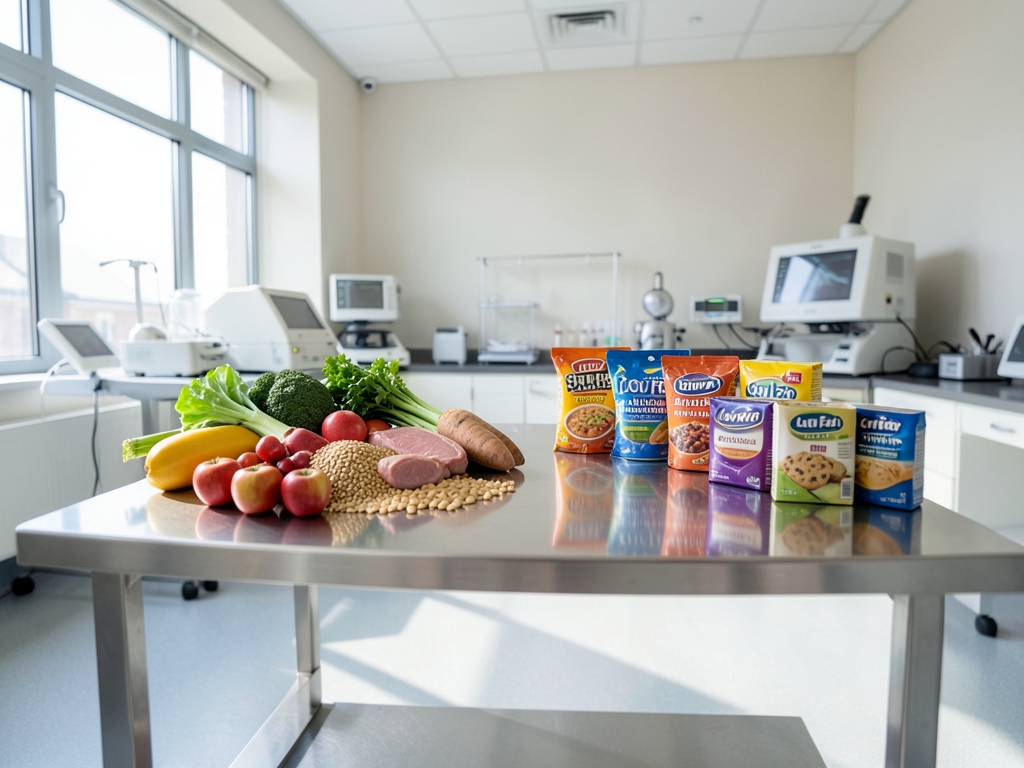
Modern nutritional science has increasingly focused on the profound physiological impacts of ultra-processed foods (UPFs) as international health agencies update their dietary recommendations. Recent epidemiological and clinical investigations have highlighted distinct metabolic pathways through which industrial food formulations influence chronic disease risk. Understanding these mechanisms is essential for healthcare professionals, dietitians, and individuals navigating contemporary nutritional landscapes characterized by convenience and hyper-palatability.
Defining Ultra-Processed Foods and Industrial Formulation
To understand current clinical guidelines, one must first recognize what constitutes an ultra-processed food. Unlike minimally processed whole foods or culinary ingredients like flour, oil, and salt, ultra-processed formulations are multi-ingredient industrial preparations. They are manufactured through complex sequences of physical and chemical processes, often involving hydrogenation, hydrolysis, extrusion, and molding.
These products frequently contain cosmetic additives such as artificial flavorings, colorants, emulsifiers, thickeners, and non-nutritive sweeteners designed to enhance sensory appeal, extend shelf life, and ensure consistent texture. Common examples include packaged mass-produced breads, reconstituted meat products, carbonated soft drinks, sweet and savory packaged snacks, and instant ready-to-eat meals.
Nutritional researchers emphasize that processing level matters independently of traditional macronutrient profiles. Two foods containing identical amounts of carbohydrates, fats, and proteins can induce vastly different metabolic responses depending on their structural integrity and the presence of food additives that alter gut motility and microbiota composition.
Metabolic Mechanisms and Clinical Research Findings
Recent controlled clinical trials have demonstrated that diets high in ultra-processed foods lead to significant increases in caloric intake and subsequent weight gain compared to unprocessed diets matched for macronutrients, fiber, sodium, and sugar. When participants were given ad libitum access to ultra-processed meals, they consumed approximately 500 more calories per day and gained measurable body fat over brief observation periods.
Several physiological factors contribute to this phenomenon:
- Eating Rate: Ultra-processed foods are typically soft, energy-dense, and easily masticated, leading to rapid ingestion before satiety signals reach the central nervous system.
- Gut Microbiota Disruption: Emulsifiers and artificial additives frequently present in these foods have been shown in experimental studies to compromise the mucosal layer of the intestine, promoting low-grade systemic inflammation.
- Glycemic Response: The removal of cellular matrix structures causes rapid enzymatic breakdown and absorption, resulting in sharper postprandial glucose spikes and subsequent reactive hypoglycemia.
Info! Clinical data indicates that replacing just twenty percent of daily caloric intake from ultra-processed sources with whole or minimally processed alternatives yields measurable improvements in metabolic biomarkers within weeks.
Public Health Policy and International Recommendations
In response to accumulating clinical evidence, public health authorities in North America and Europe have begun integrating explicit warnings regarding ultra-processed foods into national dietary guidelines. While historical dietary advice focused strictly on nutrients of concern—such as saturated fats, sodium, and added sugars—current frameworks increasingly emphasize food processing classification systems like the NOVA framework.
Regulatory discussions now involve potential warning labels on packaging, restrictions on marketing hyper-palatable foods to children, and agricultural subsidies that favor regional production of fresh produce over commodity crops destined for industrial manufacturing. These policy shifts mirror historical tobacco and alcohol regulations, framing chronic disease prevention as a structural public health challenge rather than merely an issue of individual willpower.
Practical Strategies for Dietary Modification
Transitioning away from heavily processed dietary patterns requires practical, sustainable culinary strategies. Complete elimination of convenience items is rarely feasible for modern consumers balancing demanding work schedules and family responsibilities. Instead, clinical dietitians advocate for gradual substitution and mindful meal planning.
Implementing these changes effectively involves specific structured actions:
- Audit current pantry inventory to identify primary sources of ultra-processed items, focusing first on sugary beverages and packaged snack foods.
- Incorporate batch cooking on weekends to ensure ready availability of whole-food meals during busy weekdays.
- Read ingredient lists carefully, treating products containing five or more unfamiliar chemical additives, stabilizers, or isolated protein powders as occasional treats rather than dietary staples.
- Prioritize single-ingredient fresh produce, legumes, whole grains, and lean proteins as the foundation of daily nutritional intake.
Long-Term Health Outcomes and Preventive Medicine
The cumulative impact of a diet high in ultra-processed formulations extends far beyond weight management. Epidemiological studies tracking large cohorts over decades link high UPF consumption to increased incidence of cardiovascular disease, type 2 diabetes, non-alcoholic fatty liver disease, and certain gastrointestinal malignancies.
Preventive medicine approaches increasingly incorporate dietary quality assessments into routine clinical checkups. Physicians and nutrition specialists evaluate not only lab values such as lipid panels and glycated hemoglobin (HbA1c) but also dietary patterns, offering targeted counseling to help patients mitigate long-term health risks associated with industrialized food consumption.
What differentiates ultra-processed foods from minimally processed foods?
Minimally processed foods retain their basic cellular structure and undergo simple preservation methods such as freezing, drying, or pasteurization without added chemicals. Ultra-processed foods are industrial formulations created from extracted substances and additives, undergoing complex chemical transformations.
How do ultra-processed foods contribute to unintended weight gain?
These foods are typically engineered for hyper-palatability and rapid consumption, bypassing natural satiety mechanisms. Clinical studies show individuals consume significantly more calories per day when eating ultra-processed diets compared to unprocessed alternatives.
Are all packaged foods classified as ultra-processed?
No. Many packaged items such as plain frozen vegetables, canned beans, dried lentils, and 100% whole-grain pasta are classified as minimally or processed culinary ingredients rather than ultra-processed formulations.
What role do food additives play in gut health?
Certain synthetic emulsifiers and preservatives used in industrial food manufacturing can alter the protective mucous lining of the gastrointestinal tract, potentially fostering intestinal inflammation and disrupting beneficial microbiome diversity.
As nutritional science continues to refine our understanding of food processing, public health messaging will increasingly emphasize whole, nutrient-dense foods as the cornerstone of preventative healthcare. By making informed choices and supporting structural food policy reforms, individuals can significantly mitigate metabolic risks and support long-term physiological well-being.
