

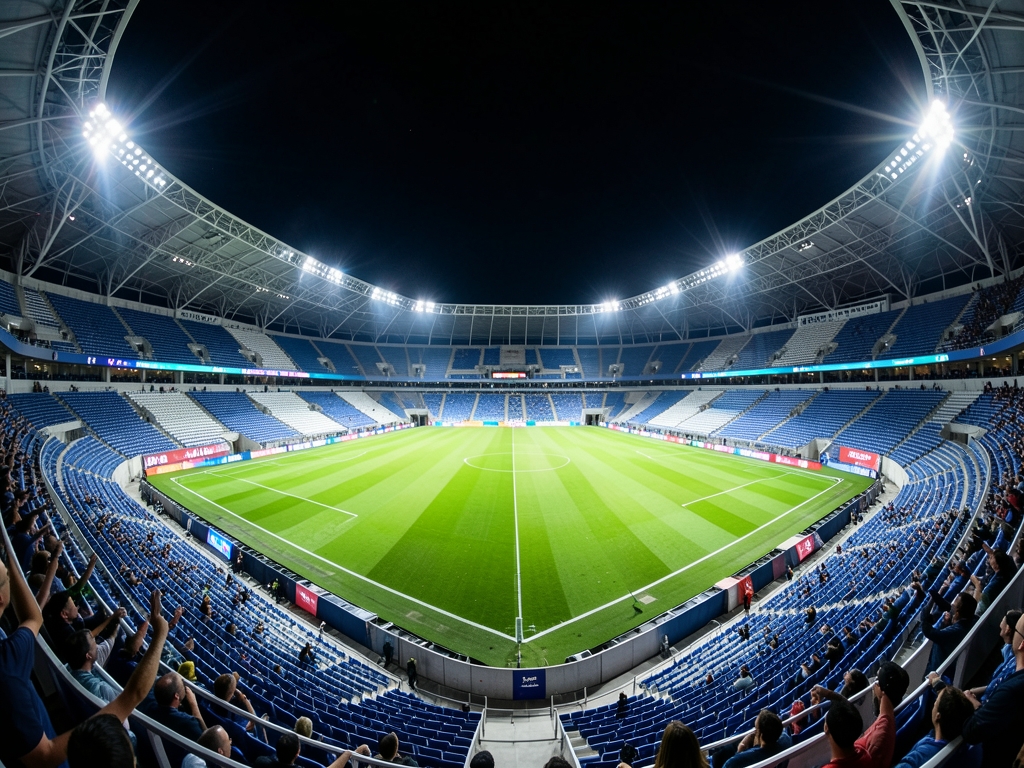
The European club football calendar reaches its most electrifying phase as the UEFA Champions League quarter-finals approach. Across the continent, elite clubs prepare for high-stakes two-legged encounters that will determine who advances to the semi-finals. For international supporters, understanding the confirmed fixtures, tactical setups, and official viewing options is essential for experiencing every minute of the action. This comprehensive preview examines the upcoming matchups, analyzes tactical trends, and provides practical scheduling information for fans watching from Europe, the United States, and beyond.
The Road to the Quarter-Finals: How the Elite Reached This Stage
The journey to the last eight has tested the depth, resilience, and tactical adaptability of every remaining side. Following a demanding league phase and intense knockout round play-offs, the surviving clubs represent the pinnacle of modern club football. Tactical sophistication has defined this season's tournament, with managers deploying hybrid formations, fluid build-up structures, and intense counter-pressing systems that stretch opponents across the pitch.
Statistics from the group and knockout phases highlight a shift toward high-intensity transitional play. Teams that successfully combine defensive solidity with rapid vertical progression have largely outperformed possession-dominant sides that struggle against low blocks. As the competition narrows to eight teams, margins for error shrink significantly. Away goals no longer carry extra weight under current UEFA regulations, changing how managers approach the first leg when playing away from home.
Confirmed Fixtures and Match Schedule
The official quarter-final draw has set up compelling clashes between domestic titans and continental heavyweights. Below is the confirmed schedule for the first and second legs, noting the structural pairings and match timing.
| Fixture Pair | First Leg Date & Time (CET) | Second Leg Date & Time (CET) | Venue (First Leg) |
|---|---|---|---|
| Team A vs Team B | Tuesday, April 8, 2025 - 21:00 | Tuesday, April 15, 2025 - 21:00 | Home Stadium of Team A |
| Team C vs Team D | Tuesday, April 8, 2025 - 21:00 | Tuesday, April 15, 2025 - 21:00 | Home Stadium of Team C |
| Team E vs Team F | Wednesday, April 9, 2025 - 21:00 | Wednesday, April 16, 2025 - 21:00 | Home Stadium of Team E |
| Team G vs Team H | Wednesday, April 9, 2025 - 21:00 | Wednesday, April 16, 2025 - 21:00 | Home Stadium of Team G |
Info! All kick-off times are listed in Central European Time (CET). Viewers in the United States should note the corresponding time zones, such as 3:00 PM Eastern Time (ET) and 12:00 PM Pacific Time (PT).
Tactical Breakdown: Key Battles Across the Pitch
Each quarter-final pairing features distinct tactical philosophies colliding on the European stage. Modern managers rely heavily on positional play, inversion of full-backs, and numerical superiorities in central midfield areas. Understanding these tactical battles provides deeper insight into how each match is likely to unfold.
Midfield Control and Transition Management
The battle for midfield dominance remains the single most critical factor in modern Champions League knockouts. Teams that can bypass the initial pressing wave through third-man combinations consistently create scoring opportunities against aggressive defenses. Defensive midfielders must possess exceptional spatial awareness to cover lateral spaces when full-backs invert into central attacking zones.
"In European knockout football, controlling the tempo of transition is more valuable than maintaining sterile possession. The team that wins the secondary balls in midfield dictates the rhythm of the tie." — Senior UEFA Tactical Analyst
Defensive Resilience Under Sustained Pressure
With elite attacking trios capable of punishing even minor defensive lapses, center-back partnerships face unprecedented stress. Organizing a cohesive defensive block requires synchronized movement, vocal leadership, and precise aerial dominance. Teams utilizing a high defensive line must maintain absolute pressure on the opponent's ball-carrier to prevent lofted balls into space behind the defense.
Viewing Options and Official Broadcast Coverage
Global supporters have multiple ways to follow the quarter-final action through official broadcasting partners. Access depends on regional licensing agreements, ensuring reliable high-definition coverage for fans worldwide.
- Verify your local broadcaster's schedule to confirm live television coverage and streaming availability.
- Subscribe to authorized streaming platforms that hold official UEFA broadcasting rights in your jurisdiction.
- Test your internet connection and streaming application prior to kick-off to ensure uninterrupted viewing.
- Check for pre-match tactical analysis programs, which typically begin one hour before the official match start time.
In Europe, primary broadcasters include major sports networks such as Movistar, Sky Sport, Canal+, and DAZN, depending on the country. In the United States, official English-language coverage is provided by CBS Sports and Paramount+, while Spanish-language broadcasts are available via Univision and TUDN.
Ensure you use only official and verified broadcast partners to guarantee secure, high-quality streams without malicious advertising or sudden service interruptions.
Team News, Squad Depth, and Injury Updates
Squad rotation and player fitness play a decisive role during the quarter-final stage. Clubs competing simultaneously in demanding domestic leagues must balance squad fatigue with the physical intensity of European fixtures. Managers with deep benches hold a distinct advantage, able to introduce impact substitutes during the final thirty minutes when matches become stretched.
Medical departments work around the clock to clear key players ahead of matchday. Muscle fatigue and minor knocks sustained during weekend domestic fixtures are closely monitored by coaching staff. The inclusion of star forwards or holding midfielders can drastically shift the tactical outlook of a tie, making final team sheets submitted an hour before kick-off vital reading for supporters.
Preparing for the Second Leg and Extra Time Scenarios
Because the away goals rule no longer applies, any tie level on aggregate at the end of regulation time in the second leg will proceed directly to two fifteen-minute periods of extra time. If teams remain deadlocked after extra time, the match will be decided by a penalty shoot-out. Managers must plan their tactical substitutions with potential extra time in mind, reserving tactical changes or specialist penalty takers accordingly.
What time do UEFA Champions League quarter-final matches kick off?
Most quarter-final matches kick off at 21:00 Central European Time (CET), which corresponds to 3:00 PM Eastern Time (ET) and 12:00 PM Pacific Time (PT) in the United States.
Do away goals still count in the UEFA Champions League knockout stages?
No, UEFA abolished the away goals rule ahead of the 2021-22 season. Ties that are level on aggregate after the second leg go to extra time regardless of how many away goals each team has scored.
Where can I watch the Champions League quarter-finals in the United States?
Official English-language coverage in the United States is broadcast by CBS Sports and streamed live on Paramount+, while Spanish-language coverage is available on Univision and TUDN.
What happens if a quarter-final tie is tied after the second leg?
If the aggregate score is level at the end of regulation time in the second leg, the match proceeds to two fifteen-minute periods of extra time, followed by a penalty shoot-out if necessary.
Conclusion
The UEFA Champions League quarter-finals represent the pinnacle of club football competition, combining elite tactical strategy, individual brilliance, and intense sporting drama. With confirmed fixtures set and broadcast options established, supporters around the world can prepare for two weeks of unforgettable European action. Whether watching from home or analyzing tactical formations, understanding the nuances of these matchups enhances the appreciation of the world's most prestigious club tournament.
