

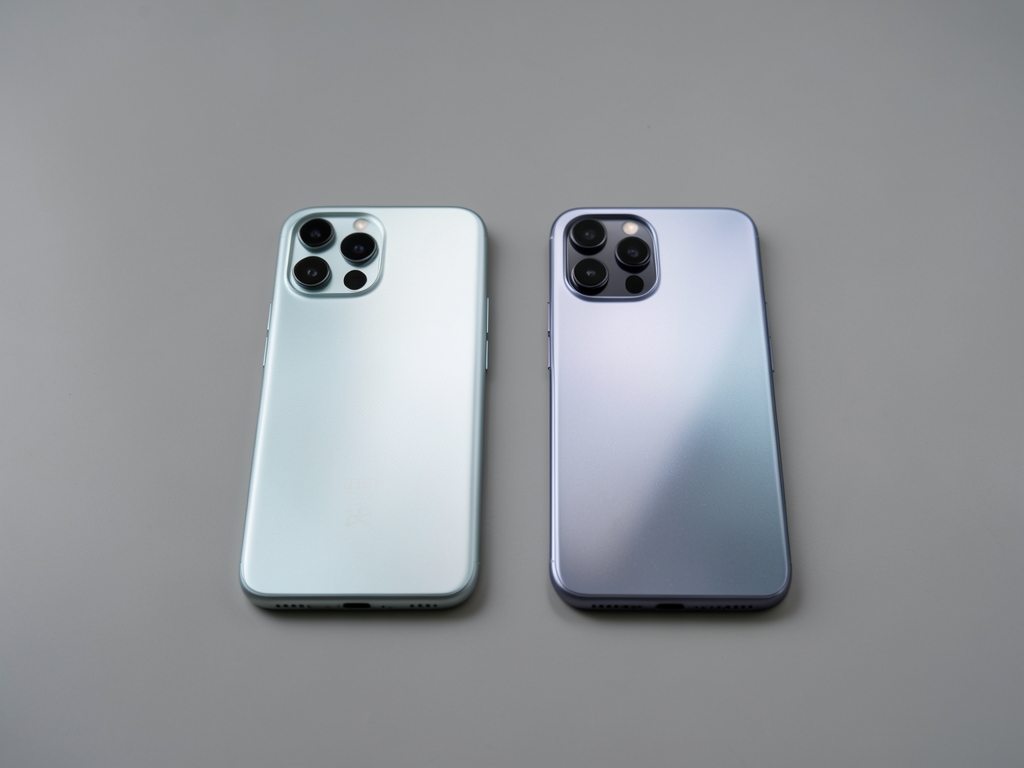
When shopping for a high-end smartphone, consumers are frequently faced with a compelling financial dilemma: should they purchase the absolute newest flagship model or save a substantial amount of money by opting for a professionally refurbished device from a previous generation? This question is particularly pertinent when evaluating Apple's premium product lineup. Buyers weighing a refurbished iPhone 16 Pro against the newly released iPhone 18 Pro must carefully analyze whether the incremental hardware upgrades, processing improvements, and software enhancements justify the significant price premium commanded by the latest generation.
As mobile technology matures, annual generational leaps have become more refined rather than revolutionary. While past upgrades often brought dramatic changes in design or core functionality, recent smartphone engineering focuses heavily on neural processing efficiency, subtle camera refinements, and incremental battery optimizations. Understanding these nuances helps consumers make informed purchasing decisions that align with their actual usage habits, financial goals, and long-term device expectations.
Design Evolution and Build Quality Comparisons
At first glance, both the refurbished iPhone 16 Pro and the modern iPhone 18 Pro share Apple's commitment to premium industrial design, utilizing aerospace-grade materials, durable ceramic shield glass fronts, and sophisticated matte glass backs. However, subtle refinements in ergonomics and bezel reduction characterize the newer device. The iPhone 18 Pro introduces further weight-saving measures and an even more refined titanium alloy chassis that feels remarkably balanced in the hand.
For buyers purchasing a refurbished iPhone 16 Pro, the physical build quality remains exceptionally high. Premium devices from Apple are engineered to withstand years of daily use. Minor cosmetic differences or small changes to button placement on the newer model rarely impact daily usability. Users who prioritize tactile feel and premium aesthetics will find that the previous-generation Pro model still outclasses many brand-new mid-range devices currently on the market.
Display Technology and Visual Performance
Display quality is a critical factor for smartphone enthusiasts. Both models feature advanced ProMotion OLED panels supporting adaptive refresh rates up to 120Hz, ensuring buttery-smooth scrolling, responsive gaming, and fluid animations. Peak outdoor brightness levels have seen incremental improvements in the newer iteration, making content slightly more legible under direct sunlight.
Despite these technical gains, the visual difference during everyday tasks—such as web browsing, streaming high-definition video, or reading emails—is negligible to the human eye. Color accuracy, HDR performance, and deep contrast ratios are stellar on both devices. Consumers who do not require absolute peak outdoor luminance will find the display on a refurbished model more than adequate for all multimedia consumption.
Processing Power and Internal Architecture
Under the hood lies one of the most discussed points of comparison. The iPhone 18 Pro features Apple's latest silicon chip, designed to handle intensive local machine learning tasks, advanced generative AI features, and heavy console-grade gaming with maximum thermal efficiency. RAM capacity has also seen an upward adjustment in the newer model to support expanding background workloads and complex computational photography.
Conversely, the processor inside the iPhone 16 Pro remains an absolute powerhouse. Capable of executing demanding applications, advanced multitasking, and high-end mobile games without stuttering, the older chip handles standard workflows effortlessly. Unless a user relies heavily on specialized on-device AI workflows or hyper-realistic mobile rendering engines, the performance delta between the two generations will rarely translate into a noticeable daily advantage.
Camera Systems and Computational Photography
Mobile photography is often the primary driver for upgrading. The iPhone 18 Pro brings advanced sensor architecture, larger primary apertures, and extended optical zoom capabilities enabled by folded periscope lens designs. These improvements yield cleaner low-light images, faster shutter speeds in challenging lighting, and enhanced video stabilization features.
However, the camera system on the iPhone 16 Pro is already exceptionally capable, featuring versatile multi-lens arrays, ProRAW support, and sophisticated Smart HDR processing. For casual social media sharing, family portraits, and landscape photography, the older Pro model produces striking, professional-grade results. Only professional content creators or mobile photography purists who demand maximum dynamic range in extreme conditions will truly benefit from the newer hardware.
Battery Life, Charging Speeds, and Longevity
Battery longevity is paramount for mobile users. Apple has continually optimized power management across hardware and software ecosystems. The iPhone 18 Pro benefits from improved energy efficiency coefficients baked into its newer processor architecture, resulting in slightly extended endurance under heavy loads.
When purchasing a refurbished device, buyers should always verify battery health percentages, as lithium-ion degradation occurs naturally over time. Reputable refurbishers typically guarantee a minimum battery health threshold or install brand-new internal cells. Once addressed, a refurbished iPhone 16 Pro offers reliable all-day battery life that competes closely with newer flagships. Furthermore, Apple's robust software support lifecycle ensures that previous-generation hardware continues receiving critical security patches and major operating system updates for many years.
Price, Depreciation, and Economic Value
The financial argument is where the refurbished market demonstrates its strongest appeal. Brand-new flagship smartphones depreciate rapidly during their first year of ownership. By purchasing a certified refurbished iPhone 16 Pro, buyers can access top-tier professional features, build quality, and camera systems at a fraction of the original retail cost.
Investing the price difference into extended warranties, protective accessories, or other digital services often provides superior practical value compared to funding the marginal upgrades found in the latest annual release. Consumers who prefer financial prudence without sacrificing device performance find that the refurbished tier represents the sweet spot in modern consumer electronics.
| Feature Comparison | Refurbished iPhone 16 Pro | iPhone 18 Pro |
|---|---|---|
| Display Refresh Rate | 120Hz ProMotion OLED | 120Hz ProMotion OLED |
| Build Material | Titanium Alloy | Refined Titanium Alloy |
| Primary Camera Resolution | Advanced Multi-Lens Array | Upgraded Sensor Architecture |
| Software Support Window | Extended Apple Lifecycle | Maximum Apple Lifecycle |
| Market Positioning | High Value / Premium Tier | Absolute Flagship Tier |
Making Your Final Purchasing Decision
Choosing between a refurbished iPhone 16 Pro and a brand-new iPhone 18 Pro ultimately depends on individual priorities. Buyers who demand the absolute cutting edge of silicon efficiency, maximum camera zoom reach, and the longest possible future-proofing window will naturally gravitate toward the latest flagship release. Conversely, budget-conscious consumers seeking uncompromised build quality, stellar photography, and robust performance will find that opting for a refurbished model delivers unbeatable economic value.
Is a refurbished iPhone 16 Pro reliable for long-term daily use?
Yes, certified refurbished devices undergo rigorous diagnostic testing, part replacements, and quality checks by professional technicians, ensuring they operate like new while offering robust long-term durability.
Does Apple provide software updates for older Pro models?
Apple maintains an industry-leading software support window, ensuring that previous-generation Pro models continue receiving critical security patches and major operating system updates for years.
What should I check when buying a refurbished phone?
Always verify the seller's warranty, check the battery health percentage, ensure the device is carrier-unlocked, and confirm that it has been wiped clean of previous owner activation locks.
Is the camera difference significant between these two generations?
While the newer model introduces refined sensors and enhanced low-light processing, the camera system on the older Pro model remains exceptionally capable for professional photography and everyday sharing.
Evaluating your specific workflow requirements ensures that your hard-earned money is spent on features you will actually utilize, maximizing both satisfaction and fiscal responsibility.
