

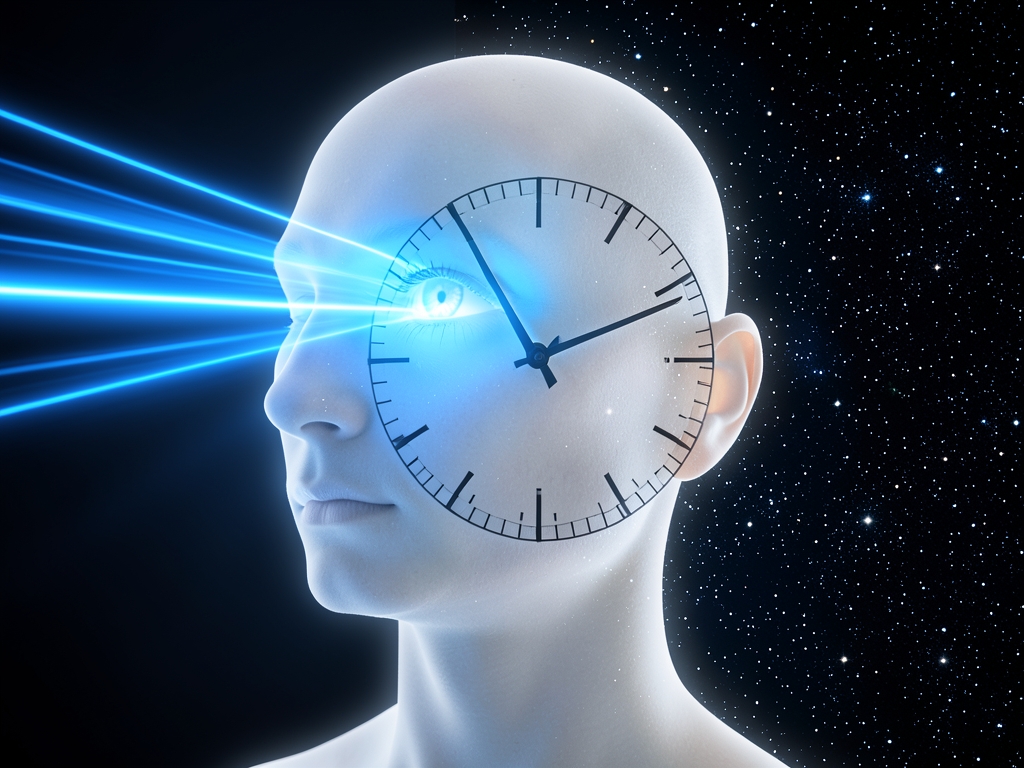
Every living organism on Earth operates on an internal schedule that dictates when to sleep, when to eat, and how to heal. This internal timing mechanism is known as the circadian rhythm, a roughly 24-hour cycle that responds primarily to light and darkness in our environment. Far from being just a simple sleep timer, this biological clock coordinates virtually every physiological process in the human body, including hormone release, body temperature regulation, metabolism, and immune function. Understanding how this intricate system works provides profound insights into optimizing our daily wellness, enhancing cognitive performance, and preventing chronic illnesses that plague modern society.
In an era defined by artificial indoor lighting, glowing digital screens, and irregular shift work, our natural biological rhythms are frequently disrupted. When our internal clock falls out of sync with the external environment, the consequences extend far beyond daytime fatigue. Modern clinical investigations increasingly link circadian misalignment to metabolic disorders, cardiovascular strain, and weakened immune responses. By exploring the mechanisms of our internal timekeeper, we can adopt evidence-based lifestyle habits to protect our long-term health and vitality.
The Evolutionary Origins of Biological Timekeeping
To fully appreciate the complexity of the circadian system, it is helpful to look back at its evolutionary origins. Life on Earth evolved under a predictable, highly reliable planetary cycle: the rotation of the Earth on its axis, which creates alternating periods of bright solar radiation and dark, cooling nights. To survive and thrive in this dynamic environment, primordial organisms needed a mechanism to anticipate these predictable changes rather than merely reacting to them after the fact.
This anticipatory adaptation gave rise to molecular timing loops found across diverse species, from single-celled cyanobacteria and plants to insects, fish, and mammals. In humans, this ancient genetic machinery is preserved in nearly every cell of the body. Proteins encoded by clock genes—such as CLOCK, BMAL1, PER, and CRY—interact in biochemical feedback loops that take approximately 24 hours to complete a full cycle. This evolutionary heritage means that our cellular biology is fundamentally wired to respect the solar day. When our modern lifestyles ignore this ancient programming by introducing constant illumination and erratic eating windows, our cells experience continuous internal friction.
The Anatomy of the Biological Clock
To understand how circadian rhythms govern daily life, one must examine the command center of this biological system: the suprachiasmatic nucleus, commonly abbreviated as the SCN. Located within the hypothalamus region of the brain, the SCN consists of a cluster of approximately 20,000 neurons that act as the master pacemaker for the entire body. While the SCN drives the primary daily schedule, virtually every single tissue, organ, and peripheral cell in the human body possesses its own subsidiary clock, functioning like gears in a complex mechanical watch.
The master clock in the SCN coordinates these peripheral clocks through neural and hormonal signals, ensuring that metabolic activities in the liver align properly with digestive processes in the gut and cardiovascular activity in the heart. When you eat a late-night meal, for instance, you are sending a conflicting timing signal to the peripheral clock in your liver while the master clock is preparing the rest of the body for rest. Over time, these internal contradictions create physiological stress that impairs overall metabolic efficiency.
Beyond the liver and heart, peripheral clocks operate within the pancreas, skeletal muscles, lungs, skin, and even immune cells. For example, the rhythmicity of the skin cells dictates that cellular repair and division peak at specific times during the night, which is why dermatologists often emphasize the importance of overnight recovery for skin health. Similarly, skeletal muscles exhibit varying capacities for strength and endurance depending on the time of day, largely governed by the local expression of clock-controlled genes within the muscle fibers.
How Light Dictates Our Internal Timing
Light is the most potent environmental cue, or zeitgeber, capable of resetting our circadian clock. Specialized photoreceptor cells in the retina of the eye, known as intrinsically photosensitive retinal ganglion cells, contain a photopigment called melanopsin. These cells are particularly sensitive to short-wavelength blue light, which is abundant in natural sunlight during the morning hours.
When morning light strikes these retinal cells, electrical signals travel directly along the retinohypothalamic tract to the SCN. This neurological pathway suppresses the production of melatonin, the primary hormone responsible for promoting sleepiness, while simultaneously elevating body temperature and cortisol levels to prepare the body for wakefulness. Conversely, as natural light fades in the evening, the SCN signals the pineal gland to ramp up melatonin synthesis, gently easing the body into restorative sleep.
Light is not merely a source of illumination for human vision; it is a powerful biological nutrient that synchronizes our internal timekeeper with the rotation of the planet.
Info! Morning sunlight exposure within the first hour of waking is one of the most effective ways to anchor your circadian rhythm and improve nighttime sleep quality.
It is worth noting that the sensitivity of our eyes to light changes throughout the 24-hour cycle. During the middle of the day, our visual system is built to process bright environmental illumination without disrupting our phase alignment. However, during the biological evening and night—specifically the hours leading up to habitual bedtime and through the middle of the night—even relatively dim indoor lighting or light emitted from a smartphone screen can powerfully trick the SCN into believing the sun has risen again, sharply halting melatonin production and delaying the onset of sleep.
The Hormonal Symphony Orchestrated by the Clock
The SCN does not merely dictate when we sleep and wake; it conducts a sophisticated daily symphony of hormone secretion that influences every aspect of human health. Throughout a typical 24-hour cycle, dozens of endocrine signals rise and fall in a predictable sequence.
Consider cortisol, often misunderstood simply as a stress hormone. In a healthy circadian profile, cortisol exhibits a distinct surge known as the cortisol awakening response (CAR). Within the first thirty to forty-five minutes after waking, cortisol levels spike sharply, providing a natural surge of energy, focus, and metabolic readiness. Throughout the day, cortisol levels gradually decline, reaching their lowest trough around midnight to allow the body to rest and repair.
Insulin and ghrelin, hormones involved in glucose regulation and appetite, also follow strict circadian rhythms. Our glucose tolerance is noticeably higher in the morning than it is late at night. Consequently, the exact same meal consumed at 8:00 AM will produce a significantly lower blood glucose and insulin spike than if it were consumed at 10:00 PM. This temporal variation highlights why late-night eating places an undue burden on our pancreatic and metabolic systems.
The Impact of Circadian Disruption on Health
When our exposure to light and dark cycles becomes erratic, the harmonious coordination between the master SCN clock and peripheral clocks breaks down. Shift workers, frequent transmeridian travelers, and individuals who spend prolonged hours under artificial lighting late into the night frequently experience chronic circadian misalignment. This state of perpetual jetlag has been associated with several significant health challenges:
- Metabolic Dysregulation: Impaired glucose tolerance, insulin resistance, and an increased propensity for weight gain.
- Cardiovascular Stress: Elevated resting blood pressure and increased arterial stiffness over time.
- Cognitive Impairment: Reduced sustained attention, slower reaction times, and diminished working memory capacity.
- Immune Suppression: Reduced effectiveness of inflammatory responses and lowered resistance to seasonal infections.
Warning! Chronic circadian disruption is classified by health agencies as a probable contributing factor to long-term metabolic and cardiovascular decline due to persistent hormonal imbalances.
Furthermore, prolonged circadian disruption impacts mental health. The neural circuits connecting the SCN to emotional centers in the brain, such as the amygdala and prefrontal cortex, rely on stable timing to regulate mood and emotional resilience. Chronic misalignment is frequently observed in individuals struggling with mood fluctuations, chronic mental fatigue, and motivational deficits, underscoring the deep connection between sleep-wake regularity and psychological well-being.
Practical Strategies to Align Your Biological Clock
Fortunately, because circadian rhythms are naturally plastic and responsive to environmental cues, individuals can take proactive steps to restore internal harmony. Implementing consistent daily routines can profoundly enhance sleep quality, elevate mood, and boost daytime productivity.
- Seek out direct outdoor sunlight for at least fifteen to thirty minutes shortly after waking up to signal the master clock that the day has begun.
- Minimize exposure to bright overhead lights and electronic device screens during the final two hours before your scheduled bedtime.
- Maintain a consistent sleep-wake schedule, waking up and going to bed at approximately the same time every single day, including weekends.
- Time your meals appropriately by consuming your largest meals during daylight hours and avoiding heavy, calorie-dense foods late in the evening.
Implementing these strategies requires mindfulness regarding our modern environments. For instance, if you commute to an office before sunrise during winter months, using a high-intensity light therapy box designed to mimic outdoor morning illumination can serve as an effective substitute until you can step outside into natural daylight.
The Role of Temperature and Physical Activity
While light remains the dominant synchronizer, secondary cues such as ambient temperature and physical activity also play supportive roles in modulating circadian rhythms. Core body temperature naturally fluctuates by about one to two degrees Celsius over a 24-hour cycle, reaching its peak in the late afternoon and dropping to its lowest point in the early morning hours just before waking.
Engaging in vigorous physical activity during the late afternoon or early evening can reinforce this natural temperature rhythm, facilitating a more pronounced drop in core temperature at night, which is a prerequisite for entering deep, slow-wave sleep. Conversely, exercising vigorously immediately before bed can elevate body temperature and delay the natural wind-down process.
Ambient temperature in your sleeping environment is equally critical. As the body prepares for sleep, blood vessels in the hands and feet dilate to release internal heat, causing core body temperature to drop. Maintaining a bedroom environment that is cool—typically between 60 and 67 degrees Fahrenheit (15 to 19 degrees Celsius)—actively supports this thermoregulatory drop, helping you fall asleep faster and experience fewer micro-awakenings throughout the night.
Nutritional Timing and Gut Microbiome Rhythms
Emerging scientific research reveals that our circadian rhythms extend far beyond human cells to encompass the trillions of microbes residing within our gastrointestinal tract. The gut microbiome exhibits its own distinct daily oscillations in population structure, metabolic activity, and gene expression.
These microbial populations respond directly to our eating patterns. When we practice time-restricted eating—such as consuming all daily calories within a consistent 10- to 12-hour window and fasting for the remaining hours—we allow the gut lining time to undergo essential maintenance and repair processes. Conversely, grazing continuously throughout the day and late into the night disrupts microbial rhythms, leading to changes in gut permeability and systemic inflammatory markers. Aligning your meals with daylight hours not only protects metabolic health in human tissue but also nurtures a balanced, resilient microbiome.
What is the master clock of the human body?
The master clock is the suprachiasmatic nucleus, a cluster of roughly 20,000 neurons located in the hypothalamus of the brain that coordinates the 24-hour daily cycle of physiological functions.
How does blue light affect sleep and circadian rhythms?
Short-wavelength blue light from screens and artificial lighting stimulates specialized photoreceptor cells in the retina, tricking the brain into thinking it is daytime and suppressing the production of the sleep hormone melatonin.
Can you reset a disrupted circadian rhythm?
Yes, circadian rhythms can be successfully realigned by getting consistent morning sunlight exposure, keeping a fixed sleep schedule, reducing evening artificial light, and timing meals appropriately during daylight hours.
Do organs other than the brain have biological clocks?
Yes, virtually every tissue and peripheral organ in the human body, including the liver, heart, gut, and skeletal muscles, possesses its own subsidiary biological clock regulated by the master pacemaker.
Maintaining a healthy relationship with our internal biological clock is one of the most powerful yet overlooked pillars of modern preventive wellness. By honoring our evolutionary design through smart light management, consistent daily habits, and mindful scheduling, we can unlock higher levels of energy, sharper cognitive focus, and long-lasting vitality. As research continues to uncover the intricate links between temporal biology and human longevity, nurturing our circadian health stands out as a fundamental, accessible path to thriving in a 24/7 world.
