

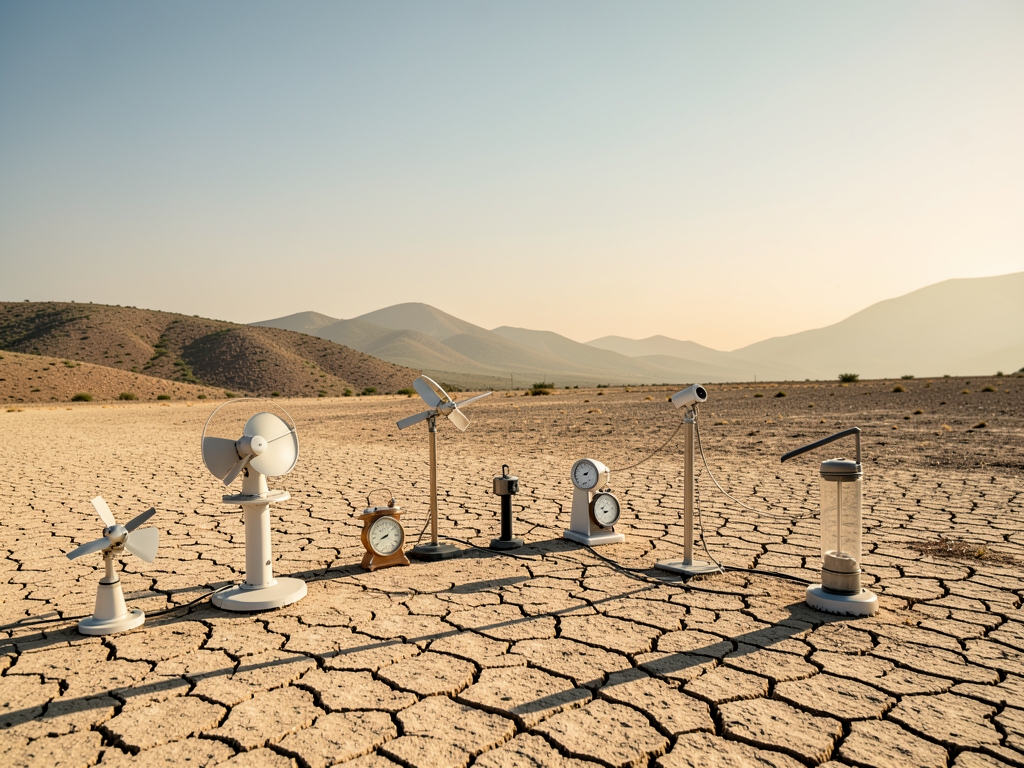
The Earth's climate system is currently experiencing a profound transformation, characterized by an unprecedented acceleration in global heat accumulation and increasingly severe environmental anomalies. As international scientific bodies continue to monitor meteorological developments across every continent, researchers emphasize that contemporary weather patterns are moving well beyond historical variability. This accelerating shift touches upon complex atmospheric dynamics, oceanic warming trends, and the fundamental stability of ecological niches worldwide, presenting a formidable challenge for scientists, policymakers, and communities striving to adapt to a rapidly changing world.
The Science Behind Accelerating Planetary Heat Accumulation
At the heart of current environmental shifts is the persistent accumulation of thermal energy within the Earth's climate system. Oceans, which absorb the vast majority of excess heat generated by anthropogenic greenhouse gas emissions, are registering sustained temperature increases across multiple basins. This massive uptake of thermal energy alters marine ecosystems, shifts major ocean currents, and intensifies the global water cycle. Warmer surface waters evaporate at higher rates, injecting greater amounts of moisture into the atmosphere. Consequently, meteorological systems can produce more intense precipitation events, prolonged droughts in susceptible regions, and more frequent extreme weather episodes.
Scientific assessments from leading meteorological organizations highlight that global temperature anomalies are consistently testing the upper boundaries of historical records. This sustained warmth is not merely an isolated seasonal occurrence but part of a multi-decadal trend driven by rising atmospheric concentrations of carbon dioxide, methane, and other heat-trapping gases. Researchers utilize advanced satellite observations, deep-ocean Argo floats, and comprehensive ground-based station networks to quantify these changes with high precision, revealing an Earth system that is storing more heat today than at any point in modern observational history.
El Niño Dynamics and Global Weather Variability
Superimposed upon the long-term warming trend are natural climate oscillations, most notably the El Niño-Southern Oscillation cycle. Equatorial Pacific warming events significantly alter atmospheric circulation patterns, shifting jet streams and reshaping seasonal weather conditions across both hemispheres. When a robust El Niño phase develops, it frequently correlates with temporary spikes in global average temperatures, compounding the baseline effects of climate change.
The interaction between background warming and natural oceanic cycles creates complex forecasting challenges for meteorologists. While certain geographical areas may experience severe drought conditions and elevated wildfire risks, other regions face unprecedented rainfall and flooding. Understanding these interconnected mechanisms requires continuous monitoring of sea surface temperatures, subsurface thermal structures, and atmospheric pressure gradients. By analyzing these variables, climate scientists can better anticipate regional impacts and provide early warnings to agricultural sectors, emergency management agencies, and vulnerable coastal populations.
Info! Natural climate oscillations like El Niño do not create heat independently; rather, they redistribute existing thermal energy between the oceans and the atmosphere, often resulting in notable spikes in global surface temperatures.
Ecosystem Responses and Biodiversity Pressures
Terrestrial and aquatic ecosystems are responding visibly to the pressures of shifting climate norms. Forests, wetlands, and tundra regions face mounting stress as seasonal temperature averages rise and precipitation patterns become erratic. In many temperate and tropical zones, wildlife populations must contend with altered habitats, shifting food availability, and heightened vulnerability to pathogens and parasites.
Marine environments are similarly strained. Coral reefs, which rely on a narrow temperature range to maintain symbiotic relationships with algae, experience widespread bleaching events when ocean temperatures remain elevated for extended periods. Similarly, cold-water fish species are often forced to migrate toward higher latitudes or deeper waters, disrupting established commercial fisheries and marine food webs. Conservation biologists emphasize that protecting resilient habitats and creating ecological corridors are vital strategies for helping species adapt to these rapid environmental transitions.
Socioeconomic Implications and Adaptation Strategies
The societal ramifications of accelerating climate extremes extend far beyond ecological concerns, directly affecting infrastructure, agriculture, public health, and global economic stability. Urban centers, many of which were engineered for historical climate baselines, face increasing risks from urban heat islands, severe storms, and sea-level rise. Infrastructure investments must now prioritize climate resilience, incorporating advanced engineering standards to withstand extreme wind loads, heavy flooding, and prolonged heatwaves.
Agricultural systems are particularly sensitive to shifting weather patterns. Farmers worldwide are adopting precision agriculture techniques, drought-resistant crop varieties, and improved water management practices to maintain productivity amidst unpredictable precipitation. At the same time, financial and insurance sectors are re-evaluating risk models to account for changing weather extremes, recognizing that traditional actuarial tables based on historical data may no longer suffice in a rapidly evolving environmental landscape.
| Climate Indicator | Primary Driver | Observed Global Impact |
|---|---|---|
| Ocean Heat Content | Greenhouse Gas Emissions | Accelerated thermal absorption and sea-level rise |
| Atmospheric Anomalies | Long-term Warming & El Niño | Higher frequency of extreme temperature records |
| Precipitation Extremes | Enhanced Evaporation Rates | Intensified floods and prolonged regional droughts |
| Cryosphere Decline | Polar Amplification | Accelerated melting of glaciers and sea ice |
The Role of International Cooperation and Scientific Research
Addressing the challenges posed by a changing climate requires sustained international collaboration and transparent scientific research. Global forums and intergovernmental climate summits serve as critical platforms where nations negotiate emissions reduction targets, mobilize climate finance for developing economies, and share technological innovations. These gatherings rely heavily on comprehensive assessment reports produced by international scientific panels, which synthesize millions of data points to provide policymakers with objective, evidence-based insights.
Furthermore, technological advancements in artificial intelligence, high-performance computing, and Earth-observation satellites are revolutionizing our ability to model climate futures. Researchers can now simulate regional weather patterns with unprecedented spatial resolution, enabling more effective disaster preparedness and long-term resource planning. Continued investment in open science and global observation networks remains essential for tracking environmental indicators and guiding effective mitigation and adaptation policies worldwide.
What factors contribute to the recent acceleration in global heat accumulation?
The acceleration in global heat accumulation is primarily driven by rising atmospheric concentrations of greenhouse gases such as carbon dioxide and methane, which trap outgoing thermal radiation. This baseline warming is further modulated by natural climate oscillations, including El Niño events, which redistribute heat between the oceans and the atmosphere.
How do El Niño phases influence global weather extremes?
El Niño phases involve the warming of surface waters in the central and eastern tropical Pacific Ocean. This warming alters large-scale atmospheric circulation and jet streams, leading to significant shifts in regional precipitation and temperature patterns, often resulting in severe droughts in some areas and heavy rainfall in others.
What are the primary impacts of ocean warming on marine ecosystems?
Ocean warming causes widespread coral bleaching, disrupts marine food webs, and forces many fish and mammal species to migrate toward cooler waters at higher latitudes. It also contributes to sea-level rise through thermal expansion and accelerates the melting of marine-terminating glaciers.
How are agricultural sectors adapting to changing climate conditions?
Farmers and agricultural organizations are adapting by implementing precision irrigation, adopting drought-resistant and heat-tolerant crop varieties, improving soil management practices, and utilizing advanced meteorological forecasting tools to optimize planting and harvesting schedules.
Conclusion
The evidence compiled by international scientific institutions underscores the reality of a rapidly evolving planetary climate. As heat accumulation continues to shape weather extremes, ecosystems, and human societies, the imperative for informed adaptation and decisive mitigation has never been more urgent. By bridging rigorous scientific research with collaborative global action, communities around the world can better navigate the complexities of a changing environment and build lasting resilience for future generations.
Sources and Further Reading
- WMO Warns 2026 Tracks to Become Hottest Year Amid COP31 - https://streamlinefeed.co.ke/ — https://streamlinefeed.co.ke/ (published 2026-11-09 10:22)
- State of the Climate Update for COP31 - World Meteorological Organization WMO — World Meteorological Organization WMO (published 2026-11-09 08:50)
- ‘A new age of climate extremes’: Earth accumulating heat at accelerating rate - The Guardian — The Guardian (published 2026-11-09 08:30)
