

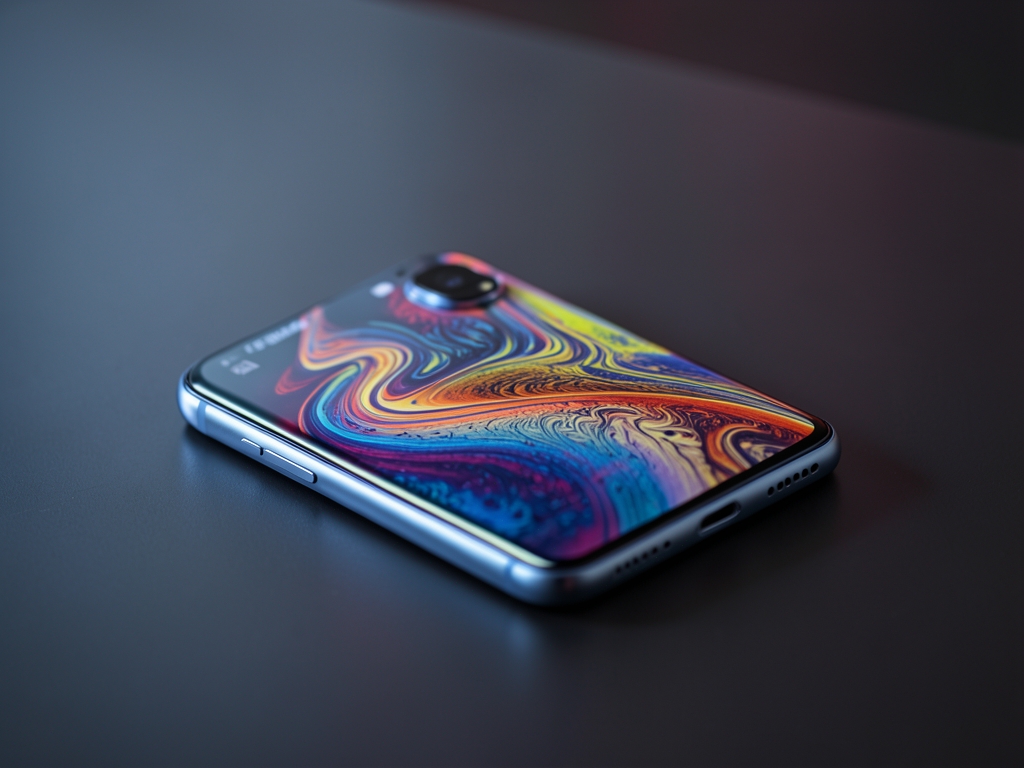
The smartphone landscape is constantly evolving, with manufacturers pushing the boundaries of what pocket-sized hardware and software can achieve. As anticipation builds across international markets in Europe and the United States, industry observers and mobile enthusiasts are turning their attention toward upcoming flagship releases. Among the most closely watched developments is the prospective rollout of next-generation device lineups equipped with advanced processing architectures, sophisticated camera arrays, and deeply integrated operating system improvements. Understanding these upcoming capabilities offers valuable insight into where consumer technology is heading over the next year.
Mobile technology cycles typically follow predictable patterns, yet every few generations introduce a leap in features that redefines user expectations. Recent industry disclosures regarding upcoming flagship families highlight a strong emphasis on computational photography, refined industrial design, and seamless software ecosystems. For users evaluating when to upgrade their current hardware, examining these emerging specifications provides a clearer picture of whether to purchase current models or wait for forthcoming releases.
The Evolution of Flagship Smartphone Architecture
Modern flagship smartphones are no longer judged solely by their raw processing speeds or basic screen resolutions. Instead, the modern evaluation framework centers on integrated artificial intelligence capabilities, power efficiency, and hardware longevity. Manufacturers are increasingly designing custom silicon solutions that balance high-performance computing clusters with dedicated neural processing units. This architectural shift allows advanced software features to run locally on the device rather than relying exclusively on cloud infrastructure.
In addition to internal silicon upgrades, physical design continues to refine. Premium materials such as titanium alloys and reinforced ceramic glass are becoming standard across top-tier devices, enhancing durability while maintaining lightweight profiles. Engineers are also focusing heavily on thermal dissipation systems, utilizing advanced vapor chambers and multi-layered graphite sheets to prevent thermal throttling during intensive tasks such as mobile gaming, augmented reality rendering, and on-device machine learning computations.
Advanced Imaging Systems and Sensor Technology
Camera hardware remains one of the primary battlegrounds for flagship mobile devices. The race for superior photographic capabilities has moved beyond simple megapixel counts into sophisticated sensor sizing, variable aperture mechanics, and periscope telephoto zoom lenses. High-resolution primary sensors paired with advanced computational photography algorithms allow modern phones to capture exceptional detail in challenging lighting conditions.
Low-light performance has seen remarkable improvements through multi-frame noise reduction and larger pixel bins. Furthermore, video recording capabilities now rival dedicated mirrorless cameras in many scenarios, offering professional color profiles, cinematic stabilization, and high-framerate options. For mobile content creators and everyday users alike, these camera enhancements mean that pocket hardware is increasingly capable of producing publication-grade media without external equipment.
| Feature Category | Previous Generation Standard | Next-Gen Flagship Expectation |
|---|---|---|
| Processor Architecture | Standard 3nm Mobile Chips | Advanced Optimized 3nm / Specialized AI Silicon |
| Primary Camera Sensor | 50MP - 108MP Configurations | Up to 200MP High-Resolution Sensors with Enhanced Light Gathering |
| Operating System | Android 15 / Android 16 | Deep Integration with Android 17 and Proprietary AI Layers |
| Charging Technology | Wired Fast Charge & Standard Wireless | Magnetic Charging Ecosystems & Improved Power Efficiency |
Software Ecosystems and Operating System Longevity
Hardware excellence is only as effective as the software running on the device. The introduction of new operating system iterations brings substantial changes to user interfaces, notification management, privacy controls, and battery optimization. Major software updates are increasingly focused on predictive intelligence—anticipating user needs, streamlining routine tasks, and automating workflows safely without compromising personal data privacy.
Long-term software support has also become a critical purchasing factor for consumers in the United States and Europe. Manufacturers now routinely offer extended windows of security patches and major platform upgrades, often spanning up to seven years. This shift not only protects consumer investments by extending the practical lifespan of the device but also contributes to sustainability efforts by reducing electronic waste.
Evaluating Upgrade Timelines: Should You Wait?
Deciding when to purchase a new smartphone often depends on the state of your current hardware. If your current device suffers from degraded battery life, lacks essential security updates, or struggles with modern applications, transitioning to a contemporary model provides an immediate and noticeable performance improvement.
However, if your current phone functions smoothly and receives regular software updates, waiting for official announcements and hands-on reviews of upcoming flagship releases is often the most prudent strategy. Reviewing detailed specifications, independent drop tests, and battery benchmarks helps ensure that your next investment aligns perfectly with your daily usage requirements.
When are major flagship smartphone series typically released?
Major flagship smartphone lineups are typically announced and released during specific seasonal windows, often in the early months of the year or during late autumn, depending on the manufacturer's annual product roadmap.
What are the primary advantages of upgrading to a new flagship phone?
Upgrading to a new flagship smartphone typically brings faster processing speeds, significantly improved camera sensors, better energy efficiency, longer battery life, and extended software and security update support.
How do on-device AI features impact everyday mobile use?
On-device artificial intelligence accelerates tasks such as real-time language translation, advanced photo editing, predictive text generation, and efficient power management while keeping personal data securely processed locally on the device.
Why is long-term software support important when buying a phone?
Extended software support ensures your device remains protected against newly discovered security vulnerabilities and receives new operating system features for many years, greatly increasing the overall value and longevity of the hardware.
Conclusion
The continuous advancement of smartphone engineering ensures that mobile devices remain central to modern digital life. By staying informed about upcoming hardware standards, software capabilities, and manufacturing announcements, consumers can navigate the market with confidence. Whether prioritizing cutting-edge camera systems, robust artificial intelligence tools, or long-term software durability, understanding the technical landscape empowers smarter purchasing decisions.
