

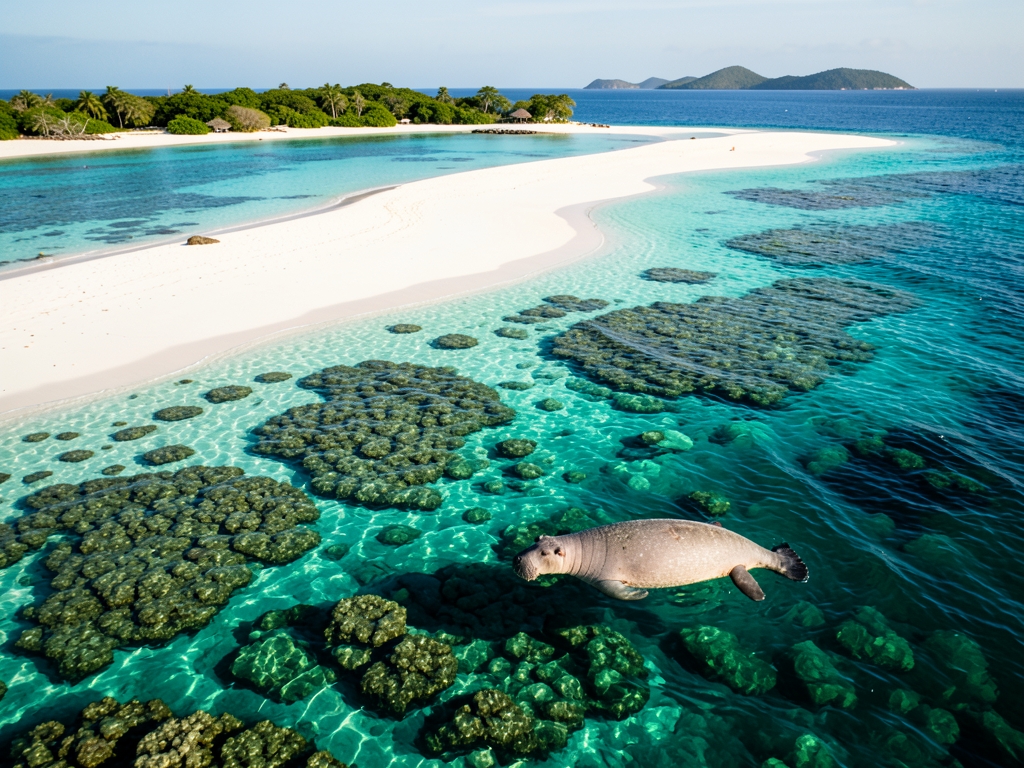
The coastal waters of East Africa hold some of the most ecologically diverse and resilient marine habitats on the planet. Among these marine treasures, the Bazaruto Archipelago off the coast of Mozambique stands out as a critical sanctuary for ocean biodiversity. Far beyond the sun-drenched beaches and luxury tourism spots lies a complex underwater wilderness where seagrass meadows, extensive coral reefs, and deep channels work together to sustain vulnerable marine species. Protecting this fragile coastal frontier is essential not only for the survival of rare wildlife such as dugongs and marine turtles, but also for the long-term climate resilience of the entire East African coastline.
Understanding the ecological mechanics of Bazaruto requires looking beneath the surface to examine the interconnected habitats that make this marine park a stronghold for biodiversity. From shallow intertidal flats to deep oceanic trenches, every zone within the archipelago serves a distinct ecological function. Conservationists, researchers, and local coastal communities are increasingly focusing their efforts on safeguarding these natural barriers against mounting environmental pressures, including warming ocean temperatures and unsustainable fishing practices.
The Ecological Significance of Bazaruto's Marine Wilderness
The Bazaruto Archipelago National Park encompasses a sprawling marine and terrestrial landscape designed to protect fragile ecosystems from degradation. At the heart of this protection zone are extensive seagrass meadows. These underwater flowering plants play a fundamental role in sequestering carbon, stabilizing coastal sediment, and providing vital nurseries for numerous fish and invertebrate species. Without healthy seagrass beds, the entire trophic web of the region would experience severe disruption.
In addition to seagrass ecosystems, the coral reefs surrounding the islands support hundreds of species of tropical fish, mollusks, and crustaceans. These reefs act as natural breakwaters, absorbing the energy of heavy ocean swells and protecting the mainland shoreline from severe erosion and storm surges. As changing global weather patterns increase the frequency of extreme coastal weather events, the protective function of these living reefs becomes increasingly invaluable to human settlements along the Mozambican coast.
Healthy marine ecosystems are not merely scenic backdrops for tourism; they are active biological shields that regulate coastal stability, support local fisheries, and safeguard endangered marine megafauna against extinction.
Furthermore, the warm waters of the Mozambique Channel create an ideal migratory corridor and permanent habitat for large marine vertebrates. The region is famously one of the last remaining viable strongholds in the Western Indian Ocean for the dugong, a charismatic marine mammal often referred to as the sea cow. These gentle herbivores depend entirely on the health of the archipelago's seagrass pastures for their daily sustenance, making habitat preservation an urgent matter of species survival.
Protecting Vulnerable Species in the Indian Ocean
Conserving the marine life of Bazaruto involves addressing multiple overlapping threats. Historically, unsustainable fishing methods, accidental entanglement in artisanal nets, and coastal development posed significant risks to local wildlife populations. In response, conservation frameworks have evolved to incorporate community-led management strategies that balance human livelihood needs with strict ecological protection rules.
Marine turtles, including green turtles and loggerheads, regularly nest on the secluded sandy beaches of the archipelago, while manta rays and whale sharks glide through the deeper offshore channels. Protecting these migratory species requires international cooperation and rigorous monitoring protocols. Researchers utilize advanced tracking technologies and marine surveys to map movement patterns, identify critical breeding sites, and evaluate the overall health of animal populations over time.
Info! Collaborative marine conservation initiatives in Mozambique emphasize community engagement, ensuring that local fishers participate directly in resource management and benefit from sustainable ecotourism economies.
Recent assessments by conservation organizations highlight the positive impacts of these sustained protective measures. When local communities are empowered to act as stewards of their marine environment, illegal fishing incidents decline, and depleted fish stocks begin to recover. This collaborative approach demonstrates that effective environmental protection relies just as heavily on socio-economic integration as it does on scientific research and policy enforcement.
Climate Resilience and Coastal Adaptation Strategies
As global temperatures rise, tropical marine environments face unprecedented stress, ranging from coral bleaching events to ocean acidification. The Bazaruto Archipelago is not immune to these systemic pressures. Elevated water temperatures can trigger widespread bleaching across sensitive coral species, reducing biodiversity and weakening the structural integrity of the reefs.
To combat these vulnerabilities, scientists and environmental planners are implementing proactive adaptation strategies. These include establishing strict marine no-take zones to allow damaged ecosystems to regenerate naturally, restoring degraded mangrove forests along the adjacent mainland estuaries, and monitoring water quality parameters in real time. Mangroves, in particular, complement the protective work of coral reefs by filtering terrestrial runoff, preventing siltation, and absorbing substantial amounts of atmospheric carbon.
| Habitat Type | Primary Ecological Function | Key Conservation Priority |
|---|---|---|
| Seagrass Meadows | Carbon sequestration and dugong feeding grounds | Protecting against anchor damage and dredging |
| Coral Reefs | Wave attenuation and fish biodiversity support | Mitigating thermal stress and destructive fishing |
| Mangrove Forests | Nutrient filtering and shoreline stabilization | Restoring degraded intertidal zones |
| Offshore Channels | Migration pathways for large pelagic species | Regulating commercial shipping and ecotourism traffic |
The synergy between seagrasses, coral reefs, and mangroves creates a multi-layered defense system for Mozambique's coastline. Maintaining the ecological health of this marine corridor ensures that natural biological processes can continue to buffer the impacts of a changing climate, offering a blueprint for coastal conservation across the broader African continent.
Community Involvement and Sustainable Ecotourism
A crucial pillar of modern conservation in Bazaruto is the promotion of sustainable ecotourism. Traditional conservation models that completely exclude local populations often fail due to economic pressures. By contrast, integrating local residents into the tourism value chain—through employment as marine guides, hospitality staff, and conservation rangers—creates a direct financial incentive for environmental preservation.
Visitors to the national park contribute essential funding that directly supports park management, anti-poaching patrols, and community development projects such as clean water access and educational programs. Responsible tourism guidelines ensure that recreational activities, including snorkeling, scuba diving, and boat excursions, do not disturb sensitive marine habitats or stress marine mammals.
- Establish clear marine zoning plans to separate high-impact commercial use from sensitive ecological sanctuaries.
- Engage local fishing communities in cooperative resource monitoring and alternative livelihood training programs.
- Implement rigorous visitor codes of conduct for all water-based recreational activities within the protected area.
- Continuously monitor water temperatures, coral health indices, and wildlife population counts to adapt management policies.
Through these structured steps, the management authorities and local stakeholders of Bazaruto continue to demonstrate how vulnerable coastal ecosystems can be successfully defended against modern environmental challenges.
What makes the Bazaruto Archipelago ecologically unique?
The archipelago combines extensive seagrass meadows, vibrant coral reefs, and deep oceanic channels into a single interconnected habitat that supports rare marine megafauna, including the largest remaining dugong population in the region.
How do seagrass meadows protect the marine ecosystem?
Seagrass meadows act as powerful carbon sinks, stabilize coastal sediment, improve water clarity, and serve as essential nursery grounds for numerous fish species and primary feeding habitats for endangered dugongs.
What role do local communities play in marine conservation?
Local communities participate directly in resource management, anti-poaching initiatives, and sustainable ecotourism ventures, ensuring that conservation efforts align with human livelihood needs and long-term economic stability.
