

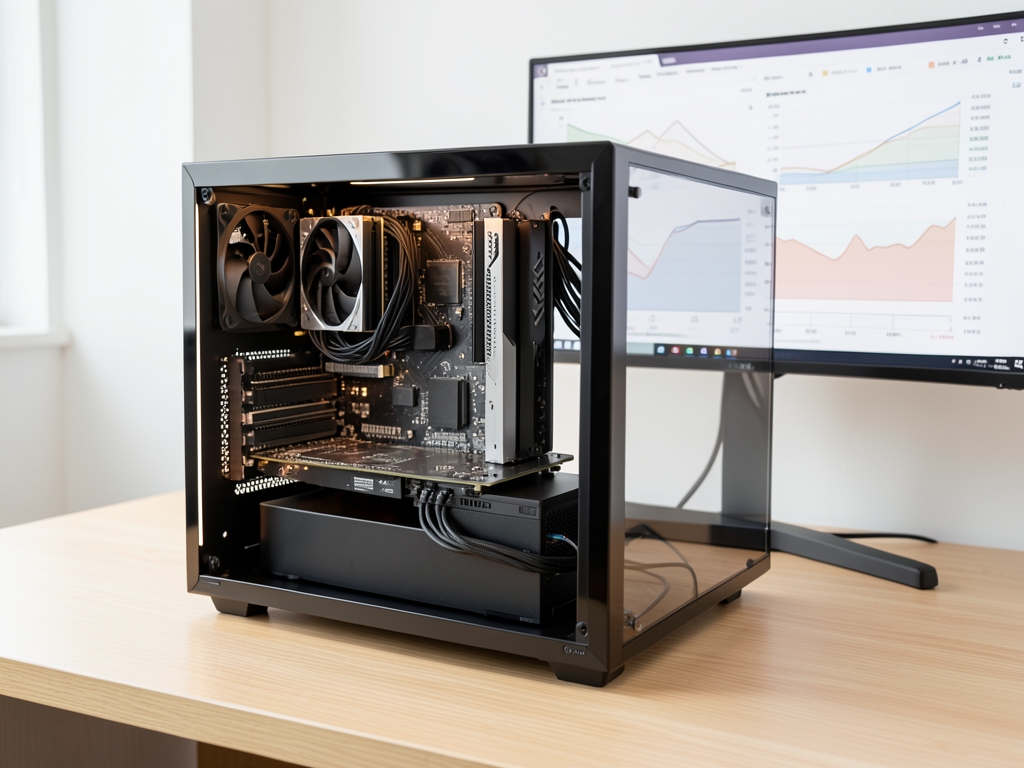
The monthly hardware and software surveys conducted across major digital distribution platforms offer a unique window into the actual composition of consumer computing machinery. Rather than relying on manufacturer shipment figures or theoretical market forecasts, these datasets aggregate millions of anonymous telemetry reports from active users worldwide. This direct sampling methodology provides hardware manufacturers, independent developers, and tech enthusiasts with an unvarnished look at what millions of consumers actually have inside their desktop towers and portable laptops. The evolving preferences reflected in these reports highlight broader shifts in consumer purchasing behavior, software demands, and economic factors influencing hardware upgrades.
A notable pattern emerging in recent platform surveys is the steady transition of system memory configurations. For years, sixteen gigabytes stood as the comfortable standard for mainstream gaming and general productivity workloads, balancing cost against capability. However, modern telemetry indicates that higher capacity tiers are steadily claiming larger market shares as software optimization demands and multitasking requirements expand. Applications ranging from ambitious video editing suites to memory-intensive virtual environments and complex modern video games routinely push older systems to their thresholds, prompting a broad base of users to augment their capacity during system builds or upgrades.
The Evolution of System Memory Standards
System memory plays a fundamental role in overall computing responsiveness, acting as the immediate workspace for active applications and operating system processes. When capacity is constrained, the operating system must frequently swap data to slower storage drives, introducing latency and stuttering during intensive tasks. As operating systems incorporate heavier background telemetry, automated maintenance routines, and integrated artificial intelligence features, the baseline memory footprint required for a smooth user experience continues to climb incrementally.
The increasing prevalence of thirty-two gigabyte configurations in recent hardware tallies reflects both falling component prices and rising consumer expectations. Enthusiasts and professional users alike recognize that modern development trends prioritize richer asset streaming, larger simulation scales, and more comprehensive data caching. While sixteen gigabytes remains completely adequate for lighter productivity and casual web browsing, heavy computational tasks and demanding digital entertainment now comfortably utilize the headroom provided by higher capacities. This transition demonstrates how consumer hardware ecosystems organically adapt to meet the invisible performance thresholds set by evolving software engineering.
Graphics Processing Unit Rankings and Market Resilience
Alongside system memory shifts, graphics processing unit standings continue to highlight the enduring popularity of mid-range hardware architectures. High-end flagship processors capture significant media attention upon release, but mainstream components frequently form the backbone of the installed user base. These workhorse components strike an optimal balance between acquisition cost and graphical fidelity, allowing millions of users to experience demanding software without committing to premium hardware expenditures.
The persistent dominance of specific mid-tier GPU models in recurring hardware surveys underscores a pragmatic approach among global consumers. Many system builders prefer to invest in components that offer reliable long-term support, stable driver ecosystems, and sufficient thermal efficiency for standard enclosures. This hardware stability provides software developers with a reliable baseline target, ensuring that newly released applications remain accessible to the broadest possible audience rather than restricting functionality to a minute fraction of elite system owners.
Storage Innovations and Solid-State Adoption
Storage technology represents another critical dimension captured in modern hardware surveys. The transition from mechanical hard disk drives to high-speed solid-state drives is virtually complete among active platform participants, driven by aggressive pricing trends and dramatic improvements in read and write throughput. Modern NVMe protocols leverage high-speed PCIe lanes to eliminate traditional bottlenecks, transforming file transfer speeds and application launch times across both enterprise workstations and consumer rigs.
This widespread adoption of high-performance storage has fundamentally altered how software developers design asset loading sequences. Instead of relying on traditional loading screens or repetitive asset duplication, modern engines stream textures and geometry directly from solid-state storage into system memory on demand. As game installations and large professional datasets grow increasingly massive, the average storage capacity per machine continues to expand, reflecting the necessity of housing multiple heavy applications simultaneously without sacrificing system performance.
Info! Regular hardware data collection provides an invaluable empirical foundation for understanding global computing trends, helping developers optimize software performance for the hardware configurations actually present in consumer homes.
The Economic and Ecological Context of Hardware Upgrades
Hardware adoption cycles are intimately tied to broader economic conditions, supply chain stability, and manufacturing innovations. When semiconductor production stabilizes and component pricing normalizes, consumers are more inclined to undertake comprehensive system overhauls. Conversely, during periods of economic uncertainty or supply volatility, users tend to extend the operational lifespans of their existing machines through targeted, incremental component replacements—such as adding a secondary storage drive or upgrading system memory—rather than purchasing entirely new systems.
Furthermore, sustainability considerations increasingly influence hardware design and purchasing decisions. Modern components emphasize improved energy efficiency, higher performance-per-watt ratios, and longer operational lifespans. By allowing users to upgrade individual subsystems rather than discarding an entire chassis, the PC hardware ecosystem naturally aligns with principles of modularity and reduced electronic waste. This adaptability remains one of the primary structural advantages of open computing platforms in international markets.
Future Projections for Consumer Computing Infrastructure
Looking ahead, the trajectory of consumer hardware will likely be shaped by the integration of local neural processing units and specialized accelerators designed to handle on-device machine learning workloads. As productivity suites, operating systems, and creative applications incorporate advanced local AI features, the demands placed on memory bandwidth, processor cores, and graphics subsystems will evolve accordingly. Hardware surveys will serve as the primary barometer tracking how rapidly these advanced capabilities penetrate the mainstream installed base.
Ultimately, the continuous evolution captured in hardware telemetry demonstrates a resilient and dynamic technology landscape. Consumers in Europe, the United States, and international markets continually tailor their setups to match emerging digital demands, balancing performance ambitions against practical budgetary constraints. As component standards shift and new processing paradigms take root, these recurring surveys will remain an essential tool for measuring the pulse of the global computing community.
What is the purpose of the platform hardware survey?
The survey collects anonymous telemetry data from active users to determine the most common hardware components, operating systems, and peripheral configurations currently in use.
Why are 32GB RAM configurations growing in popularity?
Growing demands from modern video games, heavy multitasking, background software processes, and professional creative applications have made higher memory capacities increasingly desirable for system stability.
Are high-end flagship graphics cards the most widely used?
No, mid-range graphics cards consistently lead rankings because they offer an optimal balance between affordability, performance, and thermal efficiency for the majority of mainstream users.
How often is hardware survey data updated?
Platform operators publish updated hardware and software statistics on a monthly basis, providing a continuous record of technological trends within the global gaming and computing community.
Understanding these hardware trends helps both everyday consumers making upgrade decisions and software developers engineering efficient applications. As technology continues its rapid progression, monitoring these baseline metrics ensures a clear perspective on the actual tools powering modern digital experiences.
