

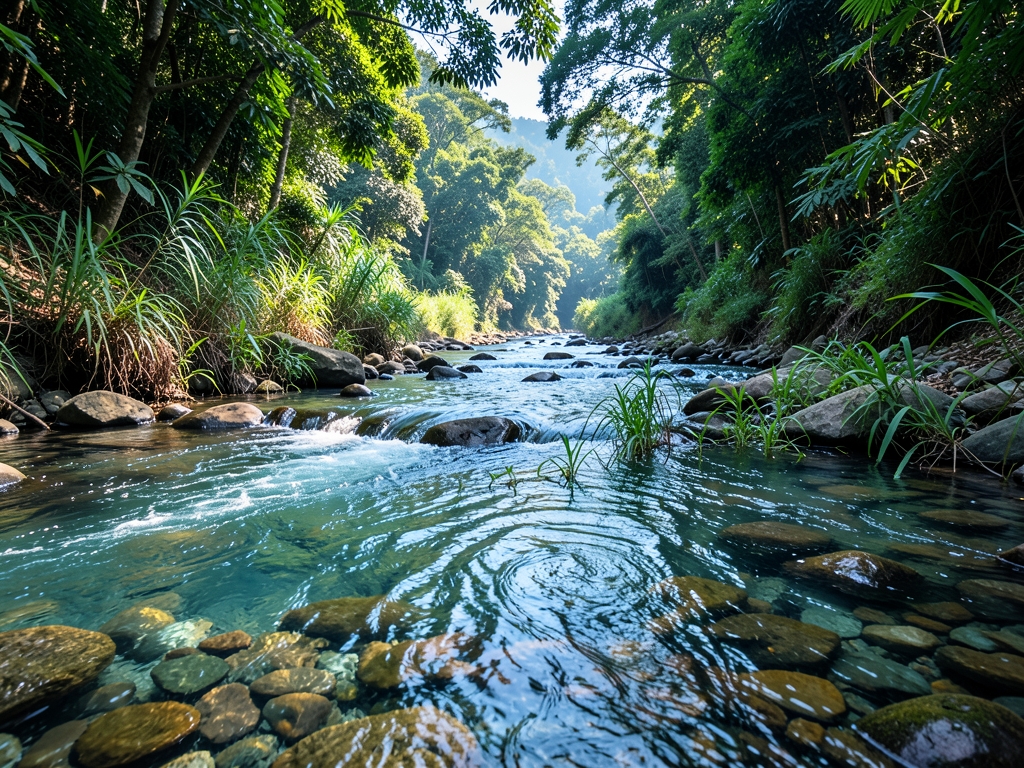
The discovery of a brand-new animal species is always a momentous occasion for the global scientific community, serving as a reminder of how much of Earth's biodiversity remains undocumented. In the verdant hills of Northeast India, researchers have recently announced a remarkable addition to regional aquatic taxonomy: a previously unknown catfish species identified in the Chakpi River, located within the Chandel district of Manipur. This finding not only expands our understanding of South Asian ichthyology but also underscores the critical importance of protecting fragile freshwater ecosystems against mounting environmental pressures.
Freshwater systems in tropical and subtropical regions are among the most biodiverse habitats on the planet, yet they are also exceptionally vulnerable to anthropogenic disturbances. Rivers like the Chakpi serve as vital ecological corridors, supporting complex webs of life that have evolved over millennia in relative isolation. The identification of a distinct catfish lineage in these waters highlights the unique evolutionary history preserved within the river basins of Northeast India, an internationally recognized biodiversity hotspot.
The Geographical and Ecological Context of the Chakpi River
The Chakpi River flows through the rugged terrain of Manipur's Chandel district, carving through valleys and sustaining local aquatic flora and fauna. This geographic setting creates isolated micro-habitats that foster high levels of endemism. Aquatic organisms inhabiting these fast-flowing streams must adapt to seasonal variations in water volume, temperature, and substrate composition, driven by regional monsoon cycles.
Catfishes belonging to the order Siluriformes are known for their incredible diversity, inhabiting everything from torrential mountain streams to sluggish lowland rivers. Many species possess specialized morphological adaptations—such as modified fins, barbels equipped with sensitive taste buds, and specialized respiratory structures—that allow them to thrive in dynamic aquatic environments. The newly discovered Chakpi River catfish exhibits unique physical traits that distinguish it from previously cataloged genera and species in the region, providing ichthyologists with fresh insights into adaptive radiation among freshwater teleosts.
Info! Ichthyologists rely on both morphological examination and molecular DNA barcoding to confirm whether a collected specimen represents a genuinely new species to science.
Scientific Methodology in Modern Taxonomy
Discovering a new vertebrate species involves rigorous scientific protocols. Field researchers collect voucher specimens under strict regulatory permits, ensuring that sampling practices do not threaten local population stability. Once collected, specimens undergo detailed morphological analysis in laboratory settings, where ichthyologists measure meristic counts—such as fin-ray numbers, scale rows, and skeletal proportions—using high-precision digital calipers and stereomicroscopes.
In addition to classical morphology, modern taxonomic descriptions incorporate molecular phylogenetics. By extracting DNA from tissue samples and sequencing specific mitochondrial and nuclear markers (such as the cytochrome c oxidase subunit I gene), researchers can construct phylogenetic trees. These genetic analyses reveal the evolutionary distance between the newly found organism and its closest known relatives, confirming whether the lineage warrants designation as a distinct species.
The discovery of novel vertebrate species in regional river basins emphasizes that taxonomic exploration is far from complete, even in heavily surveyed geographic corridors. Each newly described organism contributes a vital piece to the complex puzzle of planetary biodiversity.
Conservation Implications and Freshwater Vulnerability
While the discovery of the Chakpi River catfish is a celebration of scientific exploration, it also brings urgent conservation challenges to the forefront. Freshwater biodiversity is currently facing an extinction crisis globally. Habitat fragmentation caused by dam construction, agricultural runoff, sand mining, and industrial pollution threatens aquatic ecosystems across South Asia.
Endemic species with restricted geographical distributions are particularly susceptible to environmental degradation. If a specific river stretch undergoes severe pollution or hydrological alteration, an entire species confined to that basin can face rapid population collapse before science even has the opportunity to document its existence. Consequently, documenting local biodiversity serves as an essential foundation for establishing protected areas and implementing science-based watershed management policies.
| Research Phase | Primary Objective | Key Methodology |
|---|---|---|
| Field Survey | Locate and sample aquatic fauna | Electro-fishing, cast netting, and direct observation |
| Morphological Study | Document physical characteristics | Meristic counts, morphometric measurements, and osteology |
| Genetic Analysis | Determine phylogenetic placement | DNA extraction, PCR amplification, and sequencing |
| Taxonomic Publication | Peer review and official naming | Formal diagnosis, type specimen designation, and journal review |
The Broader Importance of Regional Biodiversity Inventories
Comprehensive biological inventories are essential for international conservation planning. Organizations and researchers working across the Indo-Burma biodiversity hotspot continuously discover new plants, insects, amphibians, and fishes. These findings help governments and non-governmental organizations prioritize conservation funding and designate critical habitats as protected nature reserves.
Furthermore, local communities often play an indispensable role in conservation efforts. Indigenous knowledge systems regarding river behavior, seasonal fish migrations, and water quality changes provide invaluable guidance to visiting scientists. Integrating traditional ecological knowledge with rigorous modern science fosters sustainable resource management and empowers local stewards to protect their natural heritage.
- Initial Discovery: Field biologists observe unusual morphological characteristics during routine aquatic surveys.
- Specimen Collection: Specimens are preserved and documented in accordance with international scientific standards and ethical permits.
- Comparative Analysis: Researchers compare the physical and genetic data against museum archives and existing taxonomic literature.
- Formal Description: A peer-reviewed paper is published, assigning a valid binomial scientific name to the newly identified organism.
Where was the new catfish species discovered?
The new catfish species was discovered in the Chakpi River, located in the Chandel district of Manipur, India.
What scientific methods are used to confirm a new fish species?
Scientists combine classical morphological analysis—such as measuring body proportions and counting fin rays—with molecular DNA barcoding to verify genetic distinctiveness.
Why are freshwater ecosystems particularly vulnerable?
Freshwater ecosystems face intense pressure from habitat fragmentation, pollution, agricultural runoff, and dam construction, making localized species highly susceptible to environmental changes.
How do local communities contribute to freshwater conservation?
Local and indigenous communities provide vital ecological knowledge about river systems, seasonal species movements, and water health, helping guide sustainable conservation practices.
As researchers continue to explore the remote river networks of Northeast India, further discoveries are anticipated. Each new finding enriches our comprehension of evolutionary biology and reinforces the urgent need to safeguard the natural habitats that sustain Earth's remarkable ecological diversity.
